




Myelin Oligodendrocyte Glycoprotein (MOG): The "Guardian" of the Central Nervous System and Its Association with Diseases


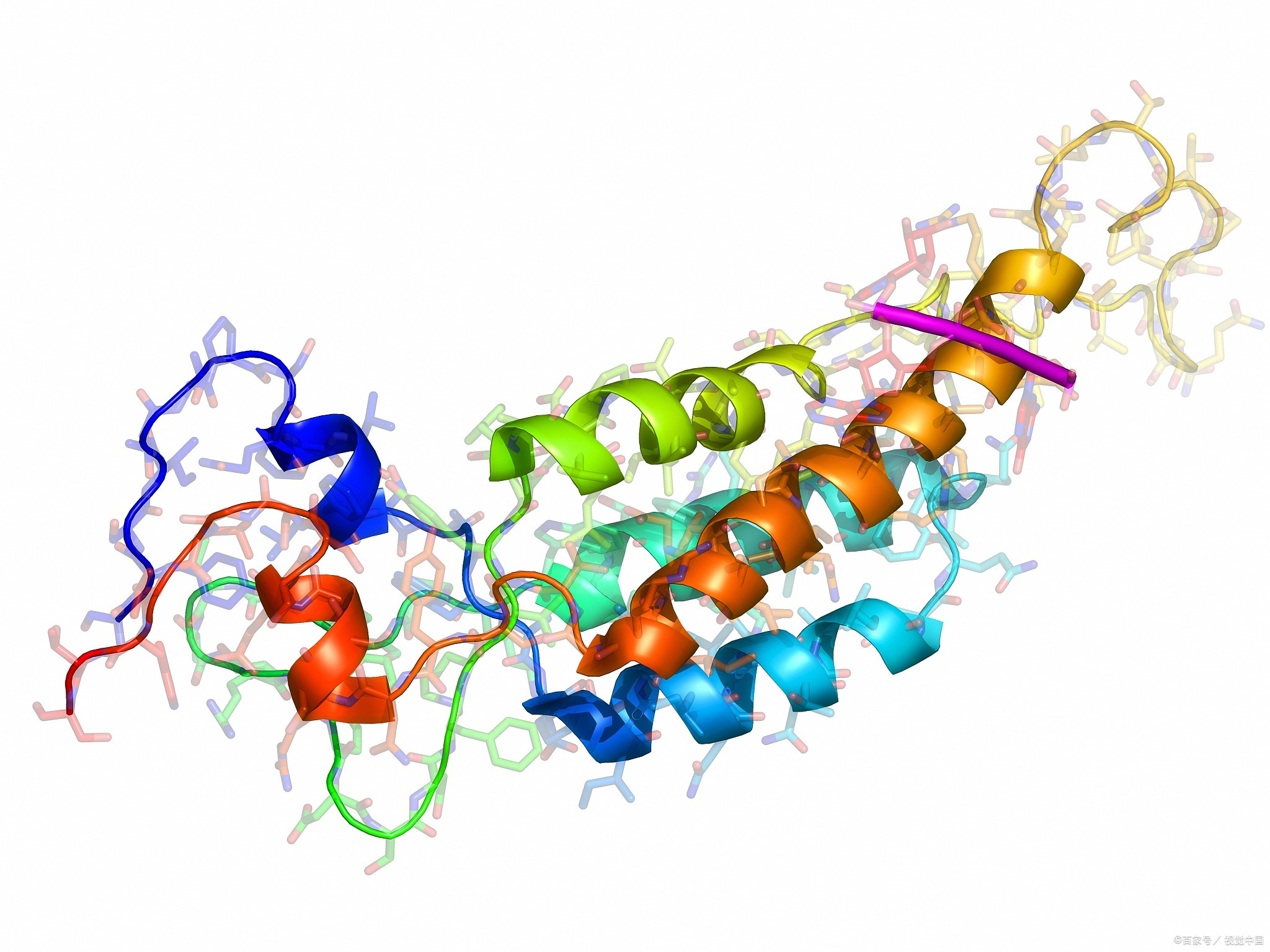
In the human central nervous system, myelin oligodendrocyte glycoprotein (MOG) is a key protein that plays an important role in maintaining the integrity and function of nerve myelin.
- Recent Advances
- Product Information
Myelin Oligodendrocyte Glycoprotein (MOG): The "Guardian" of the Central Nervous System and Its Association with Diseases
In the human central nervous system, myelin oligodendrocyte glycoprotein (MOG) is a key protein that plays an important role in maintaining the integrity and function of nerve myelin. However, recent studies have found that MOG is closely related to a variety of demyelinating diseases of the central nervous system, becoming one of the hot spots in medical research.
MOG: An important component of nerve myelin
Myelin is a membrane structure composed of a layer of lipids and proteins wrapped around the outside of nerve fibers. It can accelerate the conduction of nerve impulses and protect nerve fibers from damage. MOG is one of the main components of myelin and is mainly found on the surface of oligodendrocytes, which are responsible for the formation and maintenance of myelin in the central nervous system. MOG plays a key role in the formation and stabilization of myelin. It ensures the integrity and function of myelin by interacting with other myelin components.
MOG antibody-associated diseases (MOGAD): an emerging disease spectrum
In recent years, scientists have discovered a disease spectrum associated with MOG - MOG antibody-associated diseases (MOG-IgG associated disorders, MOGAD). This disease spectrum includes a variety of demyelinating diseases of the central nervous system, such as neuromyelitis optica spectrum disorders (NMOSDs), atypical multiple sclerosis (MS), and acute disseminated encephalomyelitis (ADEM). In these diseases, patients produce specific antibodies against MOG (MOG-IgG) in their bodies, which can recognize and attack MOG in the myelin sheath, leading to myelin damage and neurological dysfunction.
The clinical manifestations of MOGAD are diverse, including optic neuritis, myelitis, meningoencephalitis, brainstem encephalitis, etc. These diseases may cause symptoms such as decreased vision, limb weakness, paresthesia, ataxia, etc., which seriously affect the quality of life of patients. Studies have shown that MOG-IgG may be the pathogenic antibody of MOGAD, and its presence in the patient's serum is closely related to the activity and recurrence risk of the disease.
Future Outlook
Although the diagnosis and treatment of MOGAD have made some progress, there are still many challenges. The diagnostic and evaluation criteria of MOGAD have not yet been unified, which limits the development of large-scale clinical trials and the research of treatment methods. In the future, more large-sample, multi-center, prospective studies are needed to further clarify the pathogenesis of MOGAD and optimize diagnostic methods and treatment strategies.
In addition, with the deepening of understanding of MOGAD, personalized treatment will become a future research direction. By accurately detecting the patient's MOG-IgG titer, genetic background and immune status, and formulating personalized treatment plans, it is expected to improve the treatment effect and reduce adverse reactions. At the same time, the development of new biological agents and immunomodulatory drugs will also bring new hope for the treatment of MOGAD.
In short, MOG, as an important component of the myelin sheath of the central nervous system, plays an important role in maintaining neurological function. However, the abnormal production of MOG antibodies may lead to serious neurological diseases. Through continuous research and exploration, we hope to better understand the pathogenesis of MOGAD, develop more effective diagnostic and treatment methods, and bring more hope to patients.
This article is reviewed and published by the technical expert team of UA
Disclaimer: This article partially utilizes artificial intelligence assistance in its creation. If any content involves copyright or intellectual property issues, please let us know and we promise to verify and remove it as soon as possible.
Purchase recombinant protein, choose Nanjing UA-Bio
UA protein focuses on providing various protein reagents, raw materials, and services required for drug research and development, cell therapy, gene therapy, and basic scientific research, including drug target proteins, immune checkpoint proteins, cytokines, tool enzymes, customized protein expression, and full-length transmembrane protein development. Youai is committed to providing customers with high-quality products and professional services, and building a High-tech Biological Enterprise with International Competitiveness.







 Business license (three certificates in one)