




Glycosylated hemoglobin antibody: the "golden key" to reveal blood sugar control


Glycosylated hemoglobin (GHb) plays a vital role in the diagnosis and management of diabetes. It is not only the "gold standard" for diabetes monitoring stipulated by the International Diabetes Federation, but also an important basis for the diagnosis of type 2 diabetes in my country.
- Recent Advances
- Product Information
Glycosylated hemoglobin antibody: the "golden key" to reveal blood sugar control
Glycosylated hemoglobin (GHb) plays a vital role in the diagnosis and management of diabetes. It is not only the "gold standard" for diabetes monitoring stipulated by the International Diabetes Federation, but also an important basis for the diagnosis of type 2 diabetes in my country. Behind this, the development and application of glycosylated hemoglobin antibodies provide strong technical support for the accurate monitoring of blood sugar control.
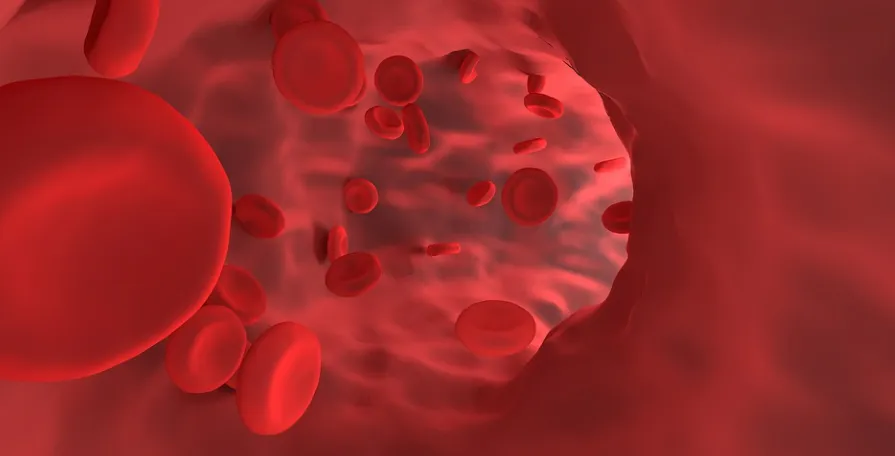
Glycosylated hemoglobin: the "barometer" of blood sugar control
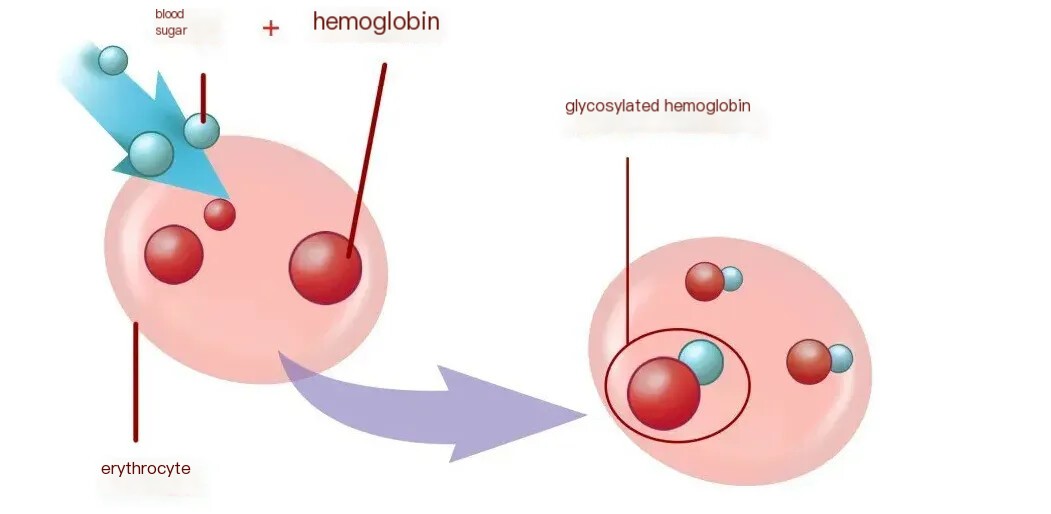
Glycosylated hemoglobin is a product formed by the slow, continuous and irreversible glycation reaction between hemoglobin in red blood cells and sugars in serum. Its content depends on blood sugar concentration and the time of contact between blood sugar and hemoglobin, and has nothing to do with factors such as blood draw time, whether fasting, and whether insulin is used. This means that glycosylated hemoglobin can effectively reflect the overall situation of blood sugar control in diabetic patients in the past 2 to 3 months.
Glycated hemoglobin is composed of HbA1a, HbA1b and HbA1c, of which HbA1c accounts for about 70% and has a stable structure, so it is widely used as a monitoring indicator for diabetes control. The level of HbA1c can reflect the overall control of blood sugar, help doctors find problems in treatment, and guide the adjustment of treatment plans.
Glycated hemoglobin antibodies: the key to accurate monitoring
In order to accurately detect the level of glycated hemoglobin, scientists have developed a series of antibodies against glycated hemoglobin. These antibodies can specifically recognize and bind to glycated hemoglobin, especially HbA1c, to achieve accurate measurement of glycated hemoglobin levels.
Development and application of antibodies
The development of glycated hemoglobin antibodies is based on immunological principles. By injecting glycated hemoglobin or its specific fragments into animals, animals are stimulated to produce specific antibodies. After purification and screening, these antibodies can be used to detect the level of glycated hemoglobin in samples.
In practical applications, glycated hemoglobin antibodies are widely used in immunoassay techniques such as enzyme-linked immunosorbent assay (ELISA), immunoturbidimetry and chemiluminescent immunoassay (CLIA). These techniques use the specific binding of antibodies to glycated hemoglobin and achieve high-sensitivity detection of glycated hemoglobin levels through different signal amplification systems.
Advantages and importance of antibodies
The use of glycated hemoglobin antibodies has many important significances:
1. High specificity and high sensitivity: Glycated hemoglobin antibodies can specifically recognize HbA1c, avoiding cross-reactions with other hemoglobin components, thereby improving the accuracy and reliability of detection. Highly sensitive detection methods can detect low levels of glycated hemoglobin, which helps to detect diabetes or abnormal blood sugar at an early stage.
2. Standardization and comparability: The use of glycated hemoglobin antibodies helps to standardize the detection method. Using the same antibodies in different laboratories or detection platforms can ensure the consistency and comparability of the test results, which is convenient for evaluating the blood sugar control of patients in different regions and at different times.
3. Clinical decision support: Accurate glycated hemoglobin test results provide doctors with important clinical decision-making basis. By monitoring the glycated hemoglobin level, doctors can evaluate the patient's blood sugar control, adjust the treatment plan in time, and prevent the occurrence of diabetic complications.
Future Outlook: Innovation and Development of Antibody Technology
With the continuous advancement of biotechnology, the development and application of glycated hemoglobin antibodies are also constantly innovating. For example, the development of monoclonal antibody technology has further improved the specificity and sensitivity of antibodies; while antibody conjugation technology provides more possibilities for the detection of glycated hemoglobin, such as the development of new fluorescent labeled antibodies or biosensors.
In addition, with the in-depth study of the pathophysiological mechanism of diabetes, scientists are also exploring the potential application of glycated hemoglobin antibodies in the treatment of diabetes. For example, through antibody-mediated drug delivery systems, therapeutic drugs can be accurately delivered to diabetes-related target cells or tissues, which is expected to improve the treatment effect and reduce side effects.
In short, as a key tool for diabetes monitoring, glycated hemoglobin antibodies have provided important support for the precise management of blood sugar control. In the future, with the continuous innovation and development of antibody technology, we have reason to believe that glycated hemoglobin antibodies will play a greater role in the diagnosis, treatment and management of diabetes, bringing more hope and good news to diabetic patients.
This article is reviewed and published by the technical expert team of UA
Disclaimer: This article partially utilizes artificial intelligence assistance in its creation. If any content involves copyright or intellectual property issues, please let us know and we promise to verify and remove it as soon as possible.
Purchase recombinant protein, choose Nanjing UA-Bio
UA protein focuses on providing various protein reagents, raw materials, and services required for drug research and development, cell therapy, gene therapy, and basic scientific research, including drug target proteins, immune checkpoint proteins, cytokines, tool enzymes, customized protein expression, and full-length transmembrane protein development. Youai is committed to providing customers with high-quality products and professional services, and building a High-tech Biological Enterprise with International Competitiveness.







 Business license (three certificates in one)