




Antibody-drug conjugates (ADC): A new weapon for precise attack on cancer


In the battlefield of cancer treatment, antibody-drug conjugates (ADC) are gradually emerging and becoming a powerful weapon for precise attack on cancer cells. ADC drugs combine the targeting ability of monoclonal antibodies and the killing ability of potent cytotoxic drugs.
- Recent Advances
Antibody-drug conjugates (ADC): A new weapon for precise attack on cancer
In the battlefield of cancer treatment, antibody-drug conjugates (ADC) are gradually emerging and becoming a powerful weapon for precise attack on cancer cells. ADC drugs combine the targeting ability of monoclonal antibodies and the killing ability of potent cytotoxic drugs. The two are combined through linkers to achieve precise attack on cancer cells. In recent years, with the continuous advancement of technology, the research and development of ADC drugs has made significant progress, and many drugs have been approved. Many domestic companies have also joined the research and development ranks. Today, let us take a deep look at ADC drugs and their target proteins.
Composition and mechanism of action of ADC drugs
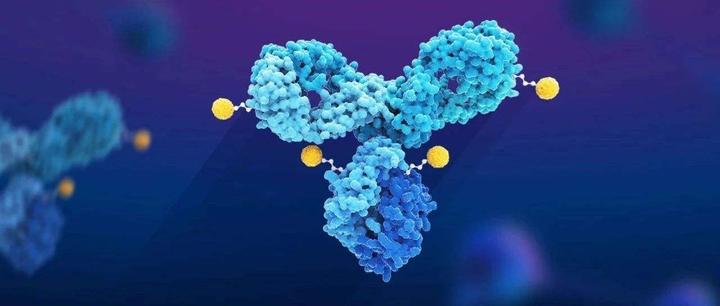
Antibody-drug conjugates (ADC) are composed of three parts: monoclonal antibodies, cytotoxic drugs and linkers. Monoclonal antibodies are responsible for recognizing and binding to specific target proteins on the surface of cancer cells, cytotoxic drugs are used to kill cancer cells, and linkers connect the two together to ensure that the drug is stable in the body and releases toxic drugs after reaching cancer cells.
The mechanism of action of ADC drugs can be summarized as follows:
Target recognition: Monoclonal antibodies recognize and bind to target proteins on the surface of cancer cells.
Endocytosis: Cancer cells internalize ADC drugs into cells.
Drug release: The linker breaks under specific conditions in the cell, releasing the cytotoxic drug.
Killing cancer cells: Cytotoxic drugs act on cancer cells, causing them to die.
Target protein of ADC drugs
Folic acid receptor α (FRα)
Folic acid receptor α is a protein that is highly expressed in many solid tumors, such as mesothelioma (72-100%), triple-negative breast cancer (35-68%), ovarian cancer (76-89%) and non-small cell lung cancer (14-74%). High expression of FRα is closely related to tumor infiltration, metastasis and progression, making it an attractive target for ADC drugs.
FRα ADC drug: An ADC drug targeting FRα, which is conjugated with FRα monoclonal antibody and chemotherapy drugs. Multiple clinical studies are currently underway, showing good preclinical data and preliminary clinical effects.
Tissue factor (TF)
Tissue factor is a transmembrane glycoprotein that is widely expressed in subendothelial cells and fibroblasts and plays an important role in the regulation of hemostasis. Various factors in the tumor microenvironment can upregulate TF expression in tumor cells and promote tumor growth, angiogenesis, metastasis and thrombosis.
TF ADC drug: an ADC drug targeting TF, conjugated by TF antibody and MMAE. Clinical studies are ongoing for a variety of solid tumors, including cervical cancer, ovarian cancer, etc. Preliminary clinical results show that the drug has significant anti-tumor activity in tumors with high TF expression.
LIV1
LIV1 is a transmembrane protein that belongs to the zinc transporter ZIP superfamily. It is expressed in hormone-controlled tissues, sensitive to estrogen levels, and associated with HR-positive breast cancer. In addition, LIV1 has also been detected in a variety of cancers such as pancreatic cancer, prostate cancer, and melanoma.
LIV1 ADC drug: an ADC drug targeting LIV1, conjugated by LIV1 antibody and MMAE. Phase 1 clinical studies for breast cancer and phase 2 clinical studies for a variety of solid tumors are ongoing. Preliminary results show that the drug has good anti-tumor activity in tumors with high LIV1 expression, and can induce immunogenic cell death and enhance the effect of immunotherapy.
Carcinoembryonic antigen-related cell adhesion molecule (CEACAM)
CEACAM is a family of immunoglobulin-related proteins expressed on the cell membrane of various epithelial tissues and involved in cell adhesion, differentiation, proliferation and survival. CEACAM5 is highly expressed in many tumors and has become a major target for ADC drug development.
CEACAM5 ADC drug: An ADC drug targeting CEACAM5, conjugated by CEACAM5 antibody and DM4.
Multiple clinical studies are ongoing for patients with CEACAM5-positive non-squamous NSCLC. Preliminary results show that the drug has significant anti-tumor activity in tumors with high expression of CEACAM5.
Future Outlook
Antibody-drug conjugates (ADCs) have shown great potential in cancer treatment. In addition to the above-mentioned target proteins, ADC drugs targeting HER3, Mesothelin, c-Met and other targets have also entered the clinical research stage. With the continuous advancement of technology and the deepening of clinical research, ADC drugs are expected to bring more treatment options and hope to cancer patients.
Domestic companies have also made significant progress in the research and development of ADC drugs, and multiple ADC drugs have been approved, marking the rise of domestic ADC drug research and development.
The development of ADC drugs requires not only the continuous innovation of scientists in key technologies such as antibodies, small molecule toxic drugs and linkers, but also the optimization of clinical testing and trial plans. In the future, as more ADC drugs are approved for marketing, we have reason to believe that cancer treatment will enter a new era of greater precision and efficiency.
This article is reviewed and published by the technical expert team of UA
Disclaimer: This article partially utilizes artificial intelligence assistance in its creation. If any content involves copyright or intellectual property issues, please let us know and we promise to verify and remove it as soon as possible.
Purchase recombinant protein, choose Nanjing UA-Bio
UA protein focuses on providing various protein reagents, raw materials, and services required for drug research and development, cell therapy, gene therapy, and basic scientific research, including drug target proteins, immune checkpoint proteins, cytokines, tool enzymes, customized protein expression, and full-length transmembrane protein development. Youai is committed to providing customers with high-quality products and professional services, and building a High-tech Biological Enterprise with International Competitiveness.







 Business license (three certificates in one)