




Adiponectin: The "golden indicator" for early screening of diabetes


early screening and intervention are crucial for the prevention and control of diabetes. Adiponectin (ADP), as a new biomarker, is becoming the "golden indicator" for early screening of diabetes.
- Recent Advances
- Product Information
Adiponectin: The "golden indicator" for early screening of diabetes
In today's society, diabetes has become a global health problem. According to a survey by the International Diabetes Federation, there are currently 537 million adults aged 20-79 with diabetes worldwide, accounting for 10.5% of the global population in this age group. It is expected that by 2030, this number will rise to 643 million (11.3%), and by 2045 it will rise to 783 million (12.2%). More worryingly, an estimated 240 million people worldwide have undiagnosed diabetes, which means that nearly half of diabetic adults do not know that they have the disease. The harm of diabetes is not only the increase in blood sugar, but also the series of complications caused by systemic inflammatory response and vascular lesions, such as cardiovascular disease, nephropathy, retinopathy, diabetic foot, etc. Therefore, early screening and intervention are crucial for the prevention and control of diabetes. Adiponectin (ADP), as a new biomarker, is becoming the "golden indicator" for early screening of diabetes.

What is adiponectin?
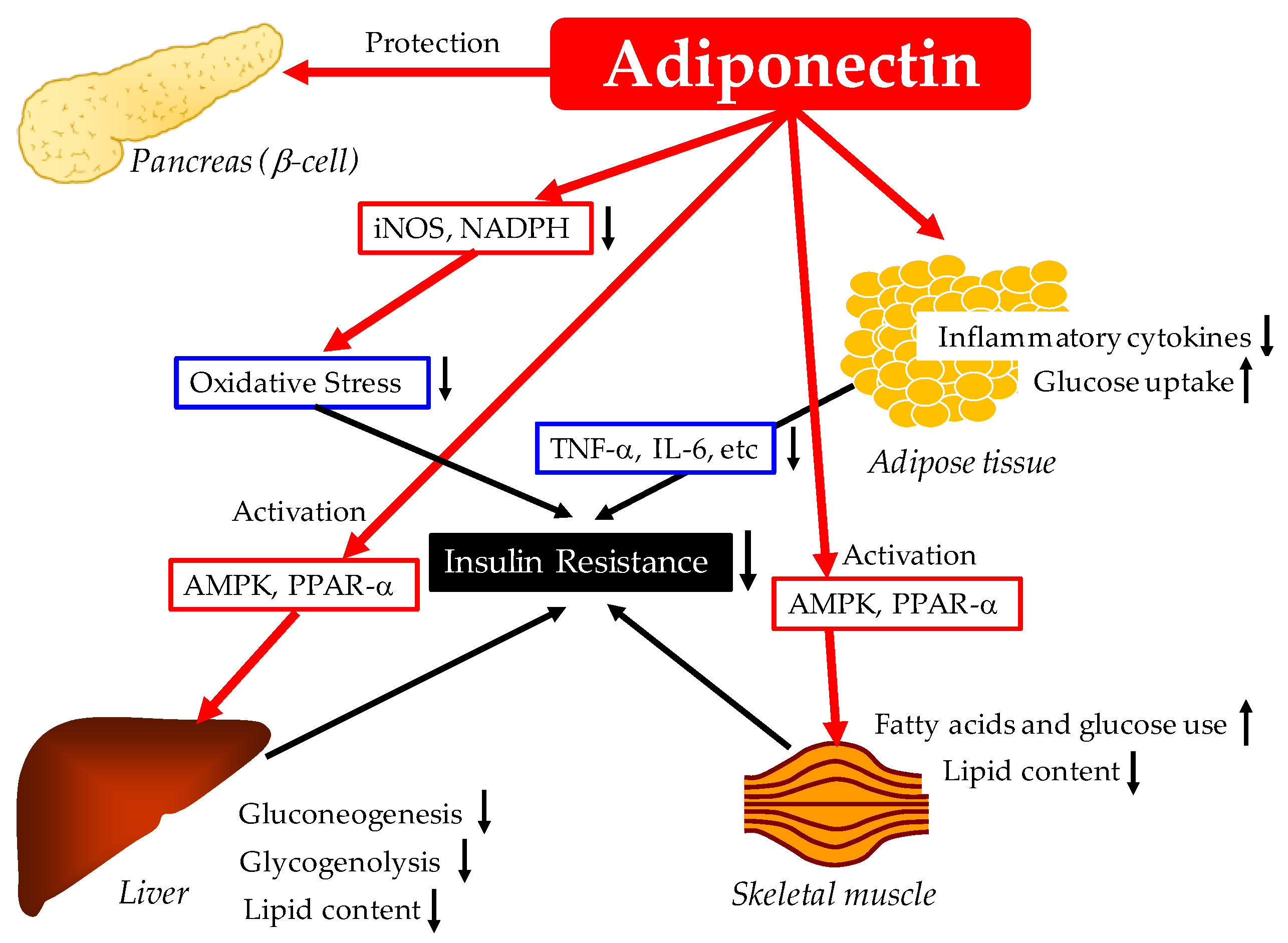
Adiponectin is a specific fat factor secreted by adipocytes that has a protective effect on the human body. Human adiponectin is composed of 244 amino acids and is a relatively abundant protein in plasma. Its gene is located on chromosome 3q27, which is also the location of the diabetes susceptibility gene. Adiponectin has multiple effects such as regulating glucose and lipid metabolism, anti-inflammatory response, and anti-atherosclerosis. In the process of regulating insulin sensitivity and glucose metabolism, adiponectin plays an important role and can be used as a new indicator for early risk prediction of diabetes. Serum adiponectin levels can directly reflect the most core pathophysiological changes of type 2 diabetes and indicate the pathological process of the disease. Prospective study results show that high adiponectin levels are associated with a low risk of type 2 diabetes, while low adiponectin levels are associated with a high risk of type 2 diabetes. Low adiponectin levels can predict the risk of progression to diabetes. Increasing adiponectin levels can effectively reduce the risk of type 2 diabetes.
Clinical application of adiponectin
Early risk prediction
Existing blood glucose testing items, such as blood glucose, glycated albumin, glycated hemoglobin, and oral glucose tolerance test (OGTT), all reflect blood glucose levels at different time points. Adiponectin testing can predict the risk of diabetes 4-7 years in advance, and screening for diabetes in high-risk groups can help detect diabetes early. This is of great significance for early intervention and treatment of diabetes.
Lifestyle intervention
Through physical exercise, changes in diet and lifestyle, etc., intervention can increase adiponectin levels and enhance insulin sensitivity, thereby achieving the goal of reversing the course of diabetes and avoiding the occurrence of diabetes. Adiponectin testing can not only help identify high-risk groups, but also provide a scientific basis for lifestyle intervention and improve the effectiveness of intervention.
Primary prevention and control of diabetes
Through adiponectin level screening, primary prevention and control of diabetes can be achieved, the incidence and number of complications can be reduced, life expectancy can be increased, and people's happiness index can be improved. This is of great significance for public health and health management.
Evaluating treatment effects
Checking adiponectin levels can also be used to evaluate whether drug treatment or lifestyle intervention is effective, and provide more comprehensive guidance for the formulation of effective intervention plans. This has important reference value for the management and treatment of diabetes.
Advantages of adiponectin screening
Universal screening
Adiponectin testing is not affected by factors such as whether or not to eat, mood swings, etc., and is suitable for large-scale diabetes screening for the population. This makes adiponectin testing a convenient, fast and reliable screening method, which can be widely used in routine screening of the general population.
Indicating the course of the disease
The blood adiponectin level is negatively correlated with insulin resistance, which can directly indicate the course of the disease. This allows adiponectin testing to not only predict the risk of diabetes, but also monitor the progression and treatment effect of diabetes.
Accurate prediction
Adiponectin testing is more sensitive than fasting blood sugar, has high consistency with the gold standard, and can accurately predict the early risk of diabetes. This makes adiponectin testing a reliable early screening tool that can effectively identify high-risk groups.
Health management
Adiponectin testing can dynamically reflect the individual's immediate metabolic health status under multiple factors such as genetics, environment, and lifestyle. This makes adiponectin testing not only for the screening and management of diabetes, but also for health management, providing individuals with a comprehensive health assessment.
Conclusion
Diabetes is a slowly changing process, and once diagnosed, its course is irreversible. Therefore, early intervention treatment of high-risk groups screened out early can effectively control the course of diabetes. Adiponectin, as a "golden indicator" for early risk prediction of diabetes, is particularly suitable for routine screening of the general population. Through adiponectin testing, we can better identify high-risk groups, conduct early intervention, and improve the prevention and control of diabetes. Let us pay attention to adiponectin, early screening and intervention of diabetes, and escort a healthy life.
This article is reviewed and published by the technical expert team of UA
Disclaimer: This article partially utilizes artificial intelligence assistance in its creation. If any content involves copyright or intellectual property issues, please let us know and we promise to verify and remove it as soon as possible.
Purchase recombinant protein, choose Nanjing UA-Bio
UA protein focuses on providing various protein reagents, raw materials, and services required for drug research and development, cell therapy, gene therapy, and basic scientific research, including drug target proteins, immune checkpoint proteins, cytokines, tool enzymes, customized protein expression, and full-length transmembrane protein development. Youai is committed to providing customers with high-quality products and professional services, and building a High-tech Biological Enterprise with International Competitiveness.







 Business license (three certificates in one)