




G-CSF: Key Factor and Technological Innovation in the Treatment of Granulocytopenia


Granulocyte colony-stimulating factor (G-CSF) is a core cytokine that regulates granulocyte hematopoiesis and plays an irreplaceable role in the generation and maturation of neutrophils. It specifically binds to the granulocyte colony-stimulating factor receptor (G-CSFR), activates the JAK-STAT signaling pathway, promotes the directional differentiation of hematopoietic stem cells in the bone marrow into neutrophils, and accelerates the release of mature neutrophils. This mechanism not only plays a core role in the regulation of basic hematopoiesis, but also shows significant efficacy in the treatment of myelosuppressive neutropenia (FN) caused by radiotherapy and chemotherapy.
- Recent Advances
- Product Information
G-CSF: Key Factor and Technological Innovation in the Treatment of Granulocytopenia
Granulocyte colony-stimulating factor (G-CSF) is a core cytokine that regulates granulocyte hematopoiesis and plays an irreplaceable role in the generation and maturation of neutrophils. It specifically binds to the granulocyte colony-stimulating factor receptor (G-CSFR), activates the JAK-STAT signaling pathway, promotes the directional differentiation of hematopoietic stem cells in the bone marrow into neutrophils, and accelerates the release of mature neutrophils. This mechanism not only plays a core role in the regulation of basic hematopoiesis, but also shows significant efficacy in the treatment of myelosuppressive neutropenia (FN) caused by radiotherapy and chemotherapy.
In chemotherapy of solid tumors, the incidence of FN is closely related to tumor type and chemotherapy regimen. Studies have shown that the incidence of FN in chemotherapy regimens using taxanes, platinums and fluorouracil drugs is significantly increased, resulting in reduced survival benefits, increased infection risks and increased economic burdens for patients. The application of G-CSF effectively reduces the incidence of FN and maintains chemotherapy dose intensity by promoting bone marrow hematopoietic recovery, thereby improving patient prognosis.
From the perspective of molecular mechanism, G-CSF binds to the extracellular domain of G-CSFR, induces receptor dimerization and activates intracellular tyrosine kinase activity, and then phosphorylates transcription factors such as STAT3 to regulate granulocyte-specific gene expression. This process not only promotes the proliferation of hematopoietic stem cells, but also enhances the phagocytic function and oxygen free radical generation ability of neutrophils, thereby improving the body's anti-infection ability. It is worth noting that there are differences in the pharmacokinetic properties of short-acting G-CSF and long-acting G-CSF: short-acting G-CSF has higher potency and more flexible medication regimen, especially for therapeutic white blood cell elevation and preventive white blood cell elevation in weekly chemotherapy regimens, while long-acting G-CSF prolongs its half-life and reduces the frequency of injections through pegylation modification.
Current research focuses on the optimization application strategy of G-CSF. On the one hand, through multi-omics technology, the molecular regulatory network of T cells after G-CSF mobilization was analyzed, and it was found that it can upregulate SOCS1 gene expression, inhibit T cell activation and induce immune tolerance, providing a new target for the prevention of graft-versus-host disease (GVHD) after allogeneic hematopoietic stem cell transplantation. On the other hand, the research and development of long-acting G-CSF continues to advance. The third-generation long-acting preparations use bimolecular structure design and mammalian cell expression system to improve activity while maintaining long-term efficacy and reduce the risk of allergic reactions.
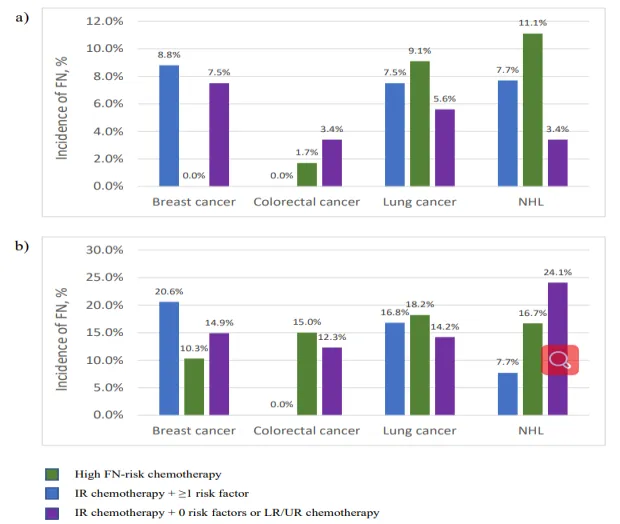
In the future, the research on G-CSF will focus on structural biology, cell biology and immunology. By analyzing the high-resolution structure of the G-CSF-G-CSFR complex, the molecular mechanism of receptor activation is revealed; using gene editing technology to construct a G-CSFR knockout animal model to verify the key nodes of the signaling pathway; developing a G-CSF analog design platform based on machine learning to optimize its efficacy and safety. These advances will provide a scientific basis for the precise treatment of neutropenia and promote the innovative application of cytokine drugs in the field of tumor supportive therapy.
This article is reviewed and published by the technical expert team of UA
Disclaimer: This article partially utilizes artificial intelligence assistance in its creation. If any content involves copyright or intellectual property issues, please let us know and we promise to verify and remove it as soon as possible.
Purchase recombinant protein, choose Nanjing UA-Bio
UA protein focuses on providing various protein reagents, raw materials, and services required for drug research and development, cell therapy, gene therapy, and basic scientific research, including drug target proteins, immune checkpoint proteins, cytokines, tool enzymes, customized protein expression, and full-length transmembrane protein development. Youai is committed to providing customers with high-quality products and professional services, and building a High-tech Biological Enterprise with International Competitiveness.







 Business license (three certificates in one)