Molecular Characteristics of IL-8 and Its Research Progress in Inflammation-Related Diseases
In the complex network of inflammatory regulation, interleukin-8 (IL-8), as an important member of the CXC chemokine family, participates in inflammatory responses by specifically chemotacting neutrophils, playing a core role in host defense and the development of inflammatory diseases. Abnormal expression of IL-8 is closely related to the pathological processes of various inflammation-related diseases, making it an important potential target for the treatment of inflammatory diseases. A thorough understanding of the molecular characteristics, signaling mechanisms, and roles of IL-8 in diseases is crucial for the development of novel IL-8-targeted therapeutic strategies. This article systematically reviews the molecular structural characteristics, signaling mechanisms, regulatory roles in inflammatory responses, association with diseases, and research progress in targeted therapy of IL-8, providing references for basic research and clinical translation of inflammation-related diseases.
1. Molecular Characteristics and Expression Distribution of IL-8
As a typical CXC chemokine, IL-8 has unique genetic structure and protein characteristics, and its expression distribution exhibits inflammation-dependent and cell-wide features.
The gene encoding IL-8 (IL8) is located in the q12-21 region of human chromosome 4, with a total genomic length of approximately 1.6 kb, containing a conserved structure of 4 exons and 3 introns. The gene promoter region is rich in inflammatory response elements, including binding sites for transcription factors such as nuclear factor κB (NF-κB) and activator protein-1 (AP-1). These regulatory elements are rapidly activated under inflammatory stimulation to initiate the transcriptional expression of IL-8. The IL-8 gene encodes a precursor protein consisting of 99 amino acid residues, including a signal peptide sequence of 20 amino acids at the N-terminus. During secretion, the signal peptide is cleaved by proteases to form a mature secreted protein.
Mature IL-8 protein exists in multiple active forms, mainly including two dominant forms: 77-amino acid (residues 23-99) and 72-amino acid (residues 28-99). The 72-amino acid form is further hydrolyzed by serine proteases (such as plasmin and thrombin), with a content up to 10 times that of the 77-amino acid form, exhibiting higher stability and biological activity. Structural biology studies have revealed that the three-dimensional structure of IL-8 is a typical dimeric conformation, where each monomer contains an antiparallel α-helix approximately 24 Å in length, and the two monomers are symmetrically arranged to form a functional unit. This structural feature is an important basis for its binding to receptors.
IL-8 expression has a wide range of cellular sources, mainly produced by non-immune and immune cells under inflammatory stimulation. Among immune cells, monocytes, macrophages, neutrophils, etc., can synthesize IL-8 under stimulation by lipopolysaccharide (LPS), TNF-α, etc. Non-immune cells, including endothelial cells, epithelial cells, fibroblasts, and hepatocytes, also have strong IL-8 secretion capacity. Notably, platelets can pre-store IL-8 in their granules and rapidly release it upon inflammatory stimulation, participating in the early initiation of acute inflammation. IL-8 expression is strictly regulated by inflammatory signals, with extremely low expression under physiological conditions and rapid upregulation after inflammatory stimulation. This expression pattern enables it to accurately respond to infections and tissue damage.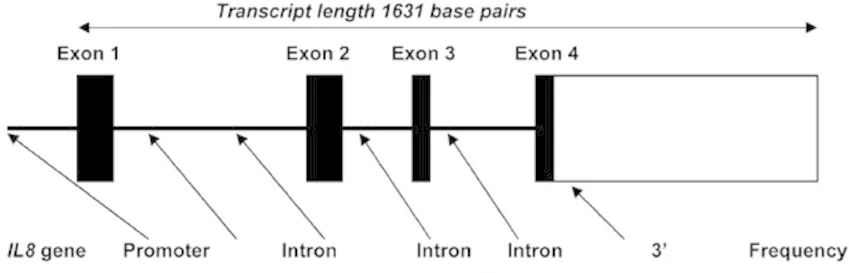
2. Core Role of IL-8 in Inflammatory Responses
As a potent neutrophil chemokine, IL-8 plays a key role in acute inflammatory responses by recruiting and activating neutrophils to participate in host defense and tissue repair processes. Its functional deficiency can lead to decreased inflammation clearance ability and increased susceptibility to infections.
In the process of neutrophil recruitment, IL-8 guides the directional migration of neutrophils to inflammatory sites through gradient concentration effects. When tissues are infected or damaged, local cells rapidly secrete IL-8, forming a concentration gradient decreasing from the inflammatory site to surrounding tissues. Neutrophils sense this concentration difference through IL-8 receptors expressed on their surface and migrate along the gradient towards the inflammatory center. This process is a key driving force for neutrophil infiltration into inflamed tissues. Studies have shown that the chemotactic activity of IL-8 on neutrophils is significantly stronger than that of other CXC chemokines, playing a dominant role in neutrophil recruitment.
IL-8 not only mediates neutrophil migration but also activates multiple effector functions of neutrophils. After binding to receptors, IL-8 can induce morphological changes in neutrophils, promote the expression and activation of cell adhesion molecules (such as integrins), and enhance the adhesion ability of neutrophils to vascular endothelial cells, laying the foundation for their transendothelial migration into inflamed tissues. Meanwhile, IL-8 can activate the respiratory burst of neutrophils, promote the production of reactive oxygen species (ROS), and enhance their bactericidal ability; it can also induce neutrophils to release lysosomal enzymes and inflammatory mediators, amplifying the inflammatory response and enhancing the host's ability to clear pathogens.
IL-8 also plays an important regulatory role in inflammation resolution and tissue repair. Studies have found that IL-8 can participate in neovascularization by promoting the proliferation and migration of vascular endothelial cells, providing nutritional support for inflammatory sites; it can also regulate the activity of fibroblasts, promote collagen synthesis, and participate in tissue repair processes. This full-range regulatory role from inflammation initiation, pathogen clearance to tissue repair makes IL-8 a key molecule connecting various stages of the inflammatory response.
3. Receptors and Signaling Mechanisms of IL-8
The biological functions of IL-8 are realized through binding to specific receptors on the cell membrane surface and activating downstream signaling pathways. The specificity of receptors and the complexity of signal transduction determine the precision and diversity of IL-8's roles.
Human IL-8 receptors belong to the CXC chemokine receptor family within the G protein-coupled receptor (GPCR) superfamily, mainly including two subtypes: CXCR1 and CXCR2. CXCR1 is a highly specific receptor for IL-8, with low affinity only for CXCL5 and CXCL6 besides IL-8; CXCR2 is a multi-ligand receptor that can bind to various CXC chemokines such as CXCL1-3 and CXCL5-8, participating in more extensive inflammatory regulation. Both receptors are seven-transmembrane proteins composed of 350-360 amino acids, transmitting signals through binding to IL-8, but there are certain differences in their tissue distribution and functions. CXCR1 is mainly expressed on neutrophils and monocytes, while CXCR2 is expressed on various cells such as neutrophils, endothelial cells, and epithelial cells.
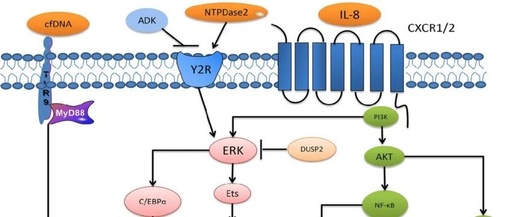
After IL-8 binds to CXCR1/CXCR2, downstream signaling pathways are activated through G protein-mediated signal transduction mechanisms. Receptor binding triggers the dissociation of heterotrimeric G proteins into Gα subunits and Gβγ complexes, where the Gβγ complex acts as a major signaling molecule to activate downstream effectors. Gβγ can activate phosphatidylinositol 3-kinase γ (PI3Kγ), catalyzing the conversion of phosphatidylinositol-4,5-bisphosphate (PIP2) to phosphatidylinositol-3,4,5-trisphosphate (PIP3), thereby activating kinases such as Akt and small GTPases such as Rac and Rho, regulating cytoskeletal reorganization and cell migration. Meanwhile, Gβγ can activate phospholipase Cβ (PLCβ), hydrolyzing PIP2 to produce inositol trisphosphate (IP3) and diacylglycerol (DAG). IP3 induces intracellular calcium ion release, and DAG activates protein kinase C (PKC), ultimately leading to neutrophil degranulation and respiratory burst.
The synergistic effect of these signaling pathways enables IL-8 to efficiently mediate neutrophil migration, activation, and effector function exertion, forming a complete signal regulatory network in inflammatory responses.
4. Pathological Roles of IL-8 in Diseases
Abnormal expression or signal dysregulation of IL-8 is closely related to the occurrence and development of various inflammation-related diseases. Its expression level is often related to disease severity and prognosis, serving as an important marker of disease activity.
In autoimmune inflammatory diseases, IL-8 participates in tissue damage processes by excessively recruiting neutrophils. IL-8 levels in the synovial fluid and synovial tissue of rheumatoid arthritis patients are significantly elevated, positively correlated with the degree of neutrophil infiltration. IL-8-mediated neutrophil infiltration can release large amounts of proteases (such as matrix metalloproteinases) and reactive oxygen species, leading to the destruction of articular cartilage and bone tissue, exacerbating joint inflammation and dysfunction. IL-8 expression is significantly upregulated in psoriatic lesions, participating in the formation of psoriatic plaques by recruiting neutrophils to the epidermis, promoting abnormal proliferation of keratinocytes, and maintaining the chronic inflammatory state of the lesions.
In chronic obstructive pulmonary disease (COPD), IL-8 is a key driver of airway inflammation. Risk factors such as smoking can induce airway epithelial cells and alveolar macrophages to secrete large amounts of IL-8, continuously recruiting neutrophils to infiltrate the airways. Elastase released by neutrophils can damage airway epithelium and lung parenchyma, leading to airway remodeling and airflow limitation, exacerbating dyspnea symptoms in COPD patients. IL-8 levels are closely related to the frequency of acute exacerbations and the rate of lung function decline in COPD.
In infectious diseases, excessive expression of IL-8 can lead to uncontrolled inflammation and tissue damage. Serum IL-8 levels in sepsis patients are significantly elevated, and their levels are positively correlated with sepsis severity and mortality. Excessive IL-8 mediates systemic activation and infiltration of neutrophils, leading to the occurrence of multiple organ dysfunction syndrome (MODS). In acute pneumonia, IL-8 levels are related to the degree of pulmonary inflammation. Moderate IL-8 expression helps clear pathogens, while excessive expression can cause lung tissue damage.
In the tumor microenvironment, IL-8 has dual roles. On one hand, IL-8 can promote tumor immune escape by recruiting immunosuppressive cells such as neutrophils; on the other hand, IL-8 can promote tumor angiogenesis and tumor cell migration, participating in tumor invasion and metastasis processes. Studies have found that high IL-8 expression in various tumors (such as non-small cell lung cancer and colorectal cancer) is associated with tumor progression and poor prognosis.
5. Research Progress in IL-8-Targeted Therapy
Based on the important role of IL-8 in inflammation-related diseases, the development of drugs targeting IL-8 or its receptors has become a research hotspot in the treatment of inflammatory diseases, with multiple candidate drugs entering clinical research stages.
In the field of monoclonal antibodies, neutralizing antibodies against IL-8 block its interaction with receptors by specifically binding to IL-8, inhibiting neutrophil recruitment and activation. The anti-IL-8 murine monoclonal antibody cream developed by Yawei Pharmaceutical has been approved for the treatment of psoriasis vulgaris and subacute eczema. By locally blocking IL-8 activity, it reduces the inflammatory response in lesion areas, showing good efficacy and safety in clinical application. Another anti-IL-8 monoclonal antibody has shown trends of reducing airway neutrophil infiltration and improving lung function in phase II clinical trials for chronic bronchitis and COPD, laying the foundation for further research.
Small molecule antagonists targeting IL-8 receptors are another important research direction. CXCR1/CXCR2 antagonists block IL-8 signaling by competitively binding to receptors, with the advantage of oral administration. Multiple CXCR2 antagonists have been tested in clinical trials for diseases such as rheumatoid arthritis and COPD. Preliminary results show that they can reduce neutrophil infiltration and levels of inflammatory markers, improving patient symptoms. Some of these drugs were terminated due to safety issues but provided important experience for subsequent drug design.
In the development of new therapies, IL-8-targeted RNA interference drugs and peptide antagonists are also being explored. RNA interference drugs reduce IL-8 synthesis by specifically silencing IL-8 gene expression; peptide antagonists are designed based on the structural characteristics of IL-8-receptor binding, which can specifically block IL-8-receptor interactions. These new therapies provide more options for IL-8-targeted therapy and are expected to overcome the limitations of traditional drugs.
Although IL-8-targeted therapy still faces challenges such as drug specificity, tissue penetration, and long-term safety, existing studies have confirmed its potential in the treatment of inflammation-related diseases. With in-depth research, it is expected to provide new treatment options for patients with inflammatory diseases.












 Business license (three certificates in one)