Klotho, a novel anti-aging gene, has attracted widespread attention in the medical field since its discovery. It is mainly expressed in the kidneys (predominantly in renal distal tubule epithelial cells), brain, and parathyroid glands. Klotho protein exists in two main forms: membrane-bound Klotho and secreted Klotho. It exhibits multiple biological functions closely related to kidney diseases, including antioxidant, anti-inflammatory, anti-apoptotic effects, as well as inhibition of renal fibrosis and vascular calcification. Therefore, Klotho is recognized as a newly discovered kidney-protective protein.
Diabetic kidney disease (DKD) is one of the most common microvascular complications of diabetes and a major cause of end-stage renal disease. In the pathological process of DKD, albumin reabsorbed by renal tubular epithelial cells induces inflammation and plays a key role in promoting DKD progression. Abnormal urinary albumin excretion has been proven to be a major driver accelerating DKD progression. Studies have shown that extracellular vesicles (EVs) secreted by albumin-treated human renal tubular epithelial cells (HK-2 cells) can affect macrophage polarization, thereby promoting DKD development.
Further research found that targeting Klotho in macrophages can alleviate DKD progression by reducing inflammation. However, the specific mechanism by which Klotho regulates macrophage polarization remains unclear and requires in-depth exploration. Notably, EV-miR-199a-5p in urine may reflect the inflammatory state of the kidneys, providing a new potential target for DKD diagnosis and treatment. Future studies that block the transmission of EV-miR-199a-5p from renal tubular epithelial cells to macrophages or precisely target Klotho in macrophages are expected to become new strategies for DKD treatment.
Renal fibrosis is a common pathological pathway for various chronic kidney diseases to progress to end-stage renal disease and has long been a research hotspot in the international nephrology field. Currently, the diagnosis of renal fibrosis mainly relies on renal biopsy, an invasive examination that is difficult to repeat multiple times for dynamic monitoring of the disease process. Therefore, finding non-invasive and accurate biomarkers for dynamic monitoring of the pathogenesis is an urgent clinical problem.
Analyzing biomarkers in urine or blood is considered a new method for effective diagnosis of kidney diseases, and Klotho shows great potential in this regard. Secreted Klotho protein can be detected in blood, urine, and cerebrospinal fluid. As an important humoral factor in the circulatory system, it exerts multiple biological functions, such as inhibiting inflammation, resisting oxidative damage, regulating renal ion channels, suppressing excessive activation of the Wnt signaling pathway, reducing cell apoptosis, and delaying cellular senescence. More importantly, the expression level of Klotho protein is closely related to renal function; Klotho expression tends to decrease when renal function is impaired, providing a new biomarker for early diagnosis and disease assessment of kidney diseases.
In addition, studies on renal fibrosis after acute kidney injury (AKI) found that reducing the methylation rate of the Klotho gene promoter in renal tissues can upregulate Klotho protein expression, thereby alleviating renal fibrosis after AKI, which provides an important new idea for finding new therapeutic targets for clinical treatment of renal fibrosis.
Chronic kidney disease (CKD) is a progressive kidney disease. As an important kidney-protective factor, Klotho plays a key role in the occurrence and development of CKD, but its specific protective mechanism is not yet fully clear, which is currently believed to involve antioxidant, anti-apoptotic, anti-aging, and pro-angiogenic mechanisms. Clinical studies found that Klotho protein expression is significantly reduced in CKD patients, and similar reductions in Klotho expression are observed in other diseases with vascular premature aging, such as hypertension and diabetes. Especially in dialysis patients and those with end-stage renal disease, Klotho expression in renal tissues is only 5%-15% of that in normal populations, suggesting that Klotho expression level may be closely related to the progression of CKD.
Studies have confirmed that α-Klotho is a key factor in the progression of renal failure in mice, and its overexpression can effectively prevent renal medulla deterioration and renal cortex thinning. In terms of drug intervention, PPARγ receptor agonists, angiotensin II type 1 receptor antagonists, vitamin D receptor agonists (VDRAs), and rapamycin have been proven to upregulate Klotho expression in vitro or in vivo. Therefore, increasing endogenous Klotho levels clinically may become a new strategy for treating CKD-related diseases.
In acute kidney injury (AKI), AKI can induce a transient but severe decrease in Klotho expression in the kidneys and endocrine system. Relevant studies showed that when AKI occurs in rodents, the concentration of Klotho protein in their blood and urine decreases significantly, and the reduction of Klotho protein expression is one of the earliest changes after renal injury. This reduction can be reversed with the recovery of renal function, indicating that AKI is to some extent a process of transient Klotho deficiency, and Klotho is expected to become a potential biomarker for early diagnosis and condition monitoring of AKI.
Vascular calcification refers to the ectopic deposition of calcium-phosphate complexes (mainly hydroxyapatite) in the vascular wall, mainly including intimal calcification and medial calcification. Medial calcification is more common in patients with chronic kidney disease (CKD), the elderly, and diabetic patients. Especially in patients with chronic renal failure, the process of vascular calcification accelerates significantly and is more severe, leading to increased vascular stiffness, which is an important cause of death in hemodialysis patients.
A large number of experimental studies have provided strong evidence for the role of Klotho in vascular calcification. In CKD models constructed with Klotho heterozygous (Kl+/-) mice and wild-type mice, extensive soft tissue calcification and vascular calcification occurred, mainly in the aorta and kidneys. In contrast, no calcification was observed in CKD models of Klotho transgenic mice, directly demonstrating that Klotho can effectively alleviate vascular calcification. In addition, no hyperphosphatemia occurred in CKD models of Klotho transgenic mice, suggesting that Klotho may be a protein that promotes urinary phosphorus excretion, maintaining phosphorus metabolism balance in the body through promoting urinary phosphorus excretion, which may be one of the important mechanisms by which Klotho inhibits vascular calcification.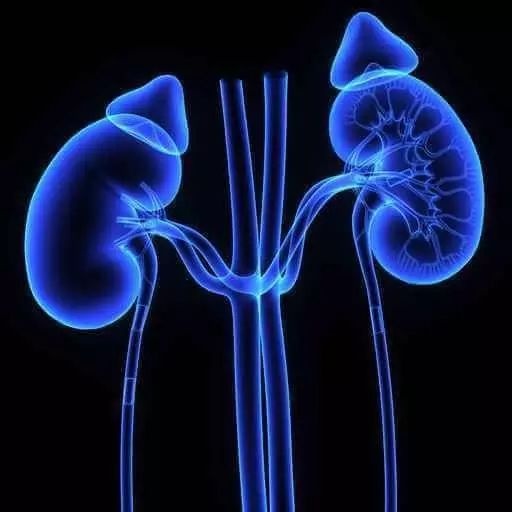
Based on current research, Klotho, as an important kidney-protective protein, plays a key role in the occurrence and development of various kidney diseases and vascular calcification, and its research value is increasingly prominent. In terms of diagnosis, the expression level of Klotho in blood and urine is closely related to the progression of kidney diseases. It is possible that clinical detection of blood/urine Klotho will become widespread in the near future, providing an important basis for early diagnosis, condition assessment, and prognosis judgment of kidney diseases and even cardiovascular diseases.
In terms of treatment, Klotho is expected to become a new target for kidney disease therapy. Increasing endogenous Klotho expression through various means, such as developing specific drugs to upregulate Klotho gene expression or inhibit its degradation, or exogenously administering Klotho protein and Klotho-related peptides, may have potential significance for treating kidney diseases, vascular calcification, and hyperphosphatemia.
Future research needs to further explore the specific mechanisms of Klotho in different kidney diseases, clarify its upstream and downstream signaling pathways, provide a theoretical basis for precise targeted therapy, and carry out more high-quality clinical transformation studies to verify the effectiveness and safety of Klotho-related diagnostic indicators and treatment strategies, promoting the translation of Klotho from basic research to clinical application and opening up new avenues for the prevention and treatment of kidney diseases.












 Business license (three certificates in one)