As a key member of the RAS family, KRAS gene mutations have extremely high incidence and clinical relevance in human malignant tumors, and have become a core focus in the field of oncology research. KRAS mutations exhibit significantly high-frequency characteristics in various common malignant tumors: pancreatic cancer, one of the most malignant tumors, has a KRAS mutation rate of over 90%, which is a core driving event in the occurrence and development of pancreatic cancer; the mutation rate of KRAS in non-small cell lung cancer is about 15%-25%, especially common in the lung adenocarcinoma subtype; the incidence of KRAS mutations in colorectal cancer patients is about 30%-40%, which has important guiding value for the selection of treatment strategies and prognosis evaluation. In addition, KRAS mutations also account for a certain proportion in other malignant tumors such as cholangiocarcinoma and endometrial cancer, showing a wide range of tumor spectrum distribution characteristics.
From the perspective of clinical prognosis, KRAS mutation status has been clearly confirmed as an important poor prognostic factor affecting the survival outcome of tumor patients. A large number of clinical research data show that tumor patients carrying KRAS mutations often have poor responses to traditional treatment methods, with faster disease progression and significantly shortened survival periods. In the field of lung cancer, KRAS-mutant patients are inherently resistant to targeted drugs such as epidermal growth factor receptor (EGFR) tyrosine kinase inhibitors, and the chemotherapy response rate is about 20%-30% lower than that of wild-type patients, with median survival shortened by 3-6 months; in colorectal cancer, KRAS-mutant patients cannot benefit from anti-EGFR monoclonal antibody therapy, and the risk of postoperative recurrence increases, with 5-year survival rate 15%-20% lower than that of wild-type patients. This poor prognostic feature makes KRAS-mutant tumors a difficult and key point in clinical treatment.
Under normal physiological conditions, KRAS protein, as an important molecular switch, plays a key regulatory role in cell signaling pathways. It precisely regulates the activation and inactivation of downstream signaling pathways through conformational changes in binding to guanosine triphosphate (GTP) and guanosine diphosphate (GDP): when KRAS binds to GTP, it is in an active state and can initiate downstream signal transduction; when GTP is hydrolyzed to GDP, it turns to an inactive state and terminates signal transmission. This dynamic balance mechanism ensures the precise regulation of physiological processes such as cell proliferation, differentiation, and survival.
KRAS mutations trigger malignant transformation by breaking this physiological balance, with the most common mutation sites being codons 12, 13, and 61, especially mutation subtypes such as G12D, G12V, and G12C. These mutations lead to abnormal conformation of KRAS protein, making it continuously in the active state of GTP binding, losing intrinsic GTPase activity, and cannot be inactivated by normal regulatory mechanisms. Continuously activated KRAS will abnormally activate multiple downstream signaling pathways, forming a complex signal network cascade reaction: significantly promoting abnormal cell proliferation and differentiation by activating the BRAF-MEK-ERK pathway; enhancing cell survival ability and metabolic reprogramming through the PI3K-AKT-mTOR pathway; affecting cytoskeletal remodeling and invasion and metastasis capabilities through the RalGDS-Ral pathway. These downstream effects collectively lead to tumor cells acquiring malignant biological phenotypes such as unlimited proliferation, apoptosis resistance, angiogenesis, invasion, and metastasis, becoming the core driving force for tumor progression.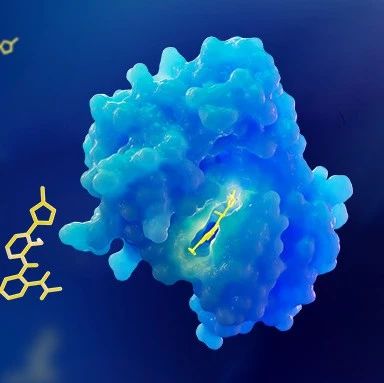
Although the importance of KRAS mutations in tumors has long been clear, the development of targeted drugs against KRAS has long faced severe challenges, becoming a "tough nut" in the field of cancer treatment. This dilemma mainly stems from the unique molecular structural characteristics of KRAS protein: KRAS protein has a small molecular weight (about 21kDa), a relatively smooth surface, and lacks deep pocket-like active sites that can be bound by traditional small molecule drugs, making it difficult to design highly specific binding ligands; its binding to GTP has extremely high affinity (dissociation constant reaches picomolar level), and exogenous small molecules are difficult to compete for binding; at the same time, KRAS has a high expression level in cells and rapid turnover, further increasing the difficulty of effective drug inhibition.
In contrast, the development of targeted drugs for targets such as EGFR in the same family has progressed smoothly. At present, EGFR inhibitors have developed to the fourth generation, forming a complete clinical application system. However, the development of KRAS targeted drugs has long been in a state of stagnation, and for a long time, "undruggable" has become a common perception in the field of KRAS research. Early R&D attempts mainly focused on indirect inhibition strategies, such as inhibitors targeting downstream BRAF, MEK and other targets, but clinical practice has shown that these single-agent therapies are often less effective in KRAS mutant tumors and are prone to rapid drug resistance. The reason is that the continuous activation of upstream KRAS signals can reactivate downstream pathways through bypass pathways, leading to treatment failure, which also highlights the necessity and urgency of directly targeting KRAS.
In the context of the predicament of targeted therapy, the rise of immunotherapy has brought new therapeutic hope for patients with KRAS mutant tumors. Immunotherapy regulates the body's immune system function and enhances the anti-tumor immune response, which is completely different from the mechanism of action of targeted therapy, providing a new therapeutic idea for refractory tumors such as KRAS mutations.
In the field of non-small cell lung cancer, multiple clinical studies have explored the efficacy of immune checkpoint inhibitors in KRAS mutant patients. Clinical trial data of PD-1 antibody Opdivo (nivolumab) showed that in non-small cell lung cancer patients with KRAS mutation, smoking history and EGFR wild-type, the objective response rate and progression-free survival of immunotherapy were significantly better than traditional chemotherapy, suggesting that this group of patients may benefit more from immunotherapy. Further studies have found that KRAS mutant tumors may affect the immune microenvironment through multiple mechanisms: metabolic abnormalities caused by mutations may change the cytokine profile in the tumor microenvironment; abnormal activation of signaling pathways may up-regulate the expression of immune checkpoint molecules such as PD-L1 on the surface of tumor cells, providing a theoretical basis for the application of immune checkpoint inhibitors.
In the field of colorectal cancer, the application of immunotherapy presents a more complex situation. Colorectal cancer patients can be divided into microsatellite instability-high (MSI-H) and microsatellite stable (MSS) types. Among them, MSI-H patients are highly sensitive to PD-1/PD-L1 inhibitors, while the vast majority of MSS patients have poor efficacy with immune checkpoint inhibitors alone. KRAS mutations are more common in MSS colorectal cancer, further increasing the difficulty of treatment. Results from a phase I clinical trial presented at the 2016 American Society of Clinical Oncology (ASCO) Annual Meeting showed that PD-L1 antibody Tecentriq (atezolizumab) combined with MEK inhibitor Cobimetinib in MSS/KRAS mutant colorectal cancer patients achieved certain clinical benefits: among 23 enrolled MSS colorectal cancer patients (22 of whom had KRAS mutations), 4 patients achieved partial remission (tumor reduction ≥30%), 5 patients achieved stable disease, with an overall disease control rate of 40%. This study confirmed the synergistic potential of immunotherapy combined with downstream pathway inhibitors in KRAS mutant tumors, providing important basis for combination therapy strategies.
With the rapid development of cell therapy technology, T cell receptor-engineered T cell (TCR-T) technology has opened up a new research direction for the treatment of KRAS mutant tumors. TCR-T technology uses genetic engineering to introduce T cell receptors (TCRs) that recognize tumor-specific antigens into patients' autologous T cells, enhancing the ability of T cells to recognize and kill tumor cells. Compared with CAR-T technology, TCR-T can recognize peptide segments presented by major histocompatibility complex (MHC) from intracellular antigens, and theoretically can target more types of tumor antigens, including intracellular mutant antigens such as KRAS, showing unique advantages.
At present, research on TCR-T cell therapy targeting KRAS mutations has entered preclinical and early clinical exploration stages. TCR-T therapies developed by research institutions such as Kite Pharma target common mutation subtypes such as KRAS G12D, which have a high incidence in pancreatic cancer, colorectal cancer, and lung cancer. It is worth noting that the effectiveness of TCR-T therapy is highly dependent on the binding of antigen peptides to the patient's MHC molecules, so HLA typing is required for patients in clinical application. Preliminary studies have shown that patients with HLA-A11 genotype may be more suitable for TCR-T therapy targeting KRAS G12D mutation, which provides an important reference for accurately screening beneficiaries.
Preclinical studies have shown that TCR-T cells targeting KRAS mutations can specifically recognize and kill tumor cells carrying corresponding mutations in vitro and in animal models, significantly inhibiting tumor growth. At present, TCR-T clinical trials targeting KRAS mutations are gradually being carried out, mainly including tumor types with high incidence of KRAS mutations such as pancreatic cancer, colorectal cancer, and lung cancer, focusing on evaluating their safety and preliminary efficacy. These studies cover different KRAS mutation subtypes, HLA matching conditions, and treatment regimens, aiming to explore the optimal application mode of TCR-T technology in KRAS mutant tumors.
In recent years, the field of KRAS targeted therapy has finally ushered in breakthrough progress. New drugs represented by KRAS G12C inhibitors have been successfully marketed, breaking the "undruggable" deadlock of KRAS. These inhibitors specifically bind to the cysteine residue of KRAS G12C mutant, locking it in an inactive state, and have shown significant anti-tumor activity in clinical trials, bringing therapeutic hope to some patients with KRAS G12C mutation. However, for other common mutation subtypes such as G12D and G12V, effective targeted drugs are still under development, and combination therapy strategies have also become an important direction to improve efficacy. For example, the combination of KRAS inhibitors with MEK inhibitors and immune checkpoint inhibitors is being actively explored.
At the same time, the development of cell therapy technologies such as TCR-T provides diversified treatment options for KRAS mutant tumors. With the optimization of TCR screening technology, the improvement of gene editing efficiency, and the advancement of cell preparation processes, the safety and effectiveness of TCR-T therapy will continue to improve. Future research needs to further clarify the immunogenic characteristics of KRAS mutant peptides, optimize the affinity and specificity of TCR, and reduce the risk of adverse reactions such as off-target effects and cytokine release syndrome.
Under the guidance of the concept of precision medicine, individualized treatment strategies based on KRAS mutation subtypes, accompanying mutation profiles, immune microenvironment characteristics, and HLA genotypes will become the development trend. Through multi-omics detection technology, comprehensively analyze the molecular characteristics of patients, and achieve precise matching of treatment plans, which is expected to further improve the treatment effect of KRAS mutant tumors. In addition, the value of KRAS mutation as a biomarker for early diagnosis and prognosis evaluation of tumors is also being explored, which will provide important support for early screening and diagnosis as well as full-course management of tumors.
Overall, the treatment of KRAS mutant tumors has gradually moved from a long-term dilemma to a new stage of diversified development. With the deepening of basic research and the promotion of technological innovation, more effective treatment strategies will be available in the future, bringing new hope for survival to patients with KRAS mutant tumors.












 Business license (three certificates in one)