In the field of life sciences, KIM3, also known as HAVCR2 (Hepatitis A Virus Cellular Receptor 2), is an immunoregulatory molecule that has attracted much attention in recent years. It belongs to the TIM (T cell immunoglobulin and mucin domain-containing molecule) family and plays a key role in regulating the functions of immune cells. The structure of KIM3 protein is complex and sophisticated, consisting of an extracellular region, a transmembrane region, and an intracellular region. The extracellular region includes an N-terminal extracellular immunoglobulin variable region (IgV domain) with an FG-CC' loop and N-linked glycans, a mucin domain rich in O-linked glycosylation sites, and a stalk domain with N-linked glycans. The transmembrane region anchors the protein to the cell membrane, while the intracellular region contains a cytoplasmic tail with five tyrosine residues, providing key sites for signal transduction.
A large number of research data indicate that KIM3 is selectively expressed on various immune cells. Among T helper cell subsets, KIM3 is distributed on the surface of Th1 and Th17 cells that secrete IFN-γ; regulatory T cells (Tregs) also express KIM3 and are involved in the regulation of immune tolerance. In addition, dendritic cells (DCs), monocytes, mast cells, NK cells, and tumor-infiltrating lymphocytes (TILs) also express KIM3. It is worth noting that KIM3 can also be detected on the surface of some tumor cells, such as melanoma, gastric cancer, and B-cell lymphoma cells, suggesting that it may play an important role in tumor immune escape and the shaping of the tumor microenvironment.
Tumor immune escape is a key link in the occurrence and development of tumors, and KIM3 plays an important role in this process. It is known that KIM3 has multiple ligands, among which the interactions between phosphatidylserine (PtdSer), S-type lectin galectin-9 (Galectin-9), high mobility group box 1 (HMGB1), and carcinoembryonic antigen-related cell adhesion molecule 1 (Ceacam-1) with KIM3 have attracted much attention. When KIM3 interacts with PtdSer, it can promote the clearance of apoptotic bodies in the tumor microenvironment (TME), maintain the homeostasis of the tumor microenvironment, and facilitate the immune escape of tumor cells.
Among numerous interactions, the binding effect between KIM3 and Gal-9 is particularly significant. Studies have shown that the combination of the two can inhibit the activity of T cells and induce T cells to enter an "exhausted" state. Taking chronic viral infection and tumorigenesis as examples, T cells are continuously stimulated by antigens, leading to the upregulation of KIM3 expression and increased binding with Gal-9, which impairs T cell function and prevents them from effectively killing tumor cells or clearing virus-infected cells. This immunosuppressive mechanism plays a key role in tumor immune escape, providing favorable conditions for the proliferation and spread of tumor cells. In addition, HMGB1 is usually released when cells are damaged or die, binds to DNA, and promotes the activation of innate immune cells and the production of pro-inflammatory cytokines by binding to advanced glycosylation end product receptors (RAGE) and Toll-like receptors (TLR). However, the binding of KIM3 to HMGB1 interferes with this process, inhibits the activation of innate immune responses, and further weakens the body's anti-tumor immune response.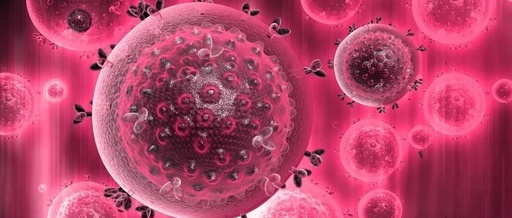
Given the key role of KIM3 in tumor immune escape, it has become a highly promising target in the field of tumor immunotherapy. Currently, targeted therapy strategies for KIM3 mainly focus on blocking the interaction between KIM3 and its ligands to restore the anti-tumor activity of immune cells. In preclinical studies, researchers have successfully restored T cell function and enhanced their ability to kill tumor cells by preparing monoclonal antibodies against KIM3 to block the KIM3-Gal-9 signaling pathway. In mouse tumor model experiments, after treatment with anti-KIM3 monoclonal antibodies, the growth rate of tumors was significantly slowed down, and tumors in some mice even regressed, which provides strong preliminary evidence for the clinical application of KIM3-targeted therapy.
However, there are still many challenges in translating KIM3-targeted therapy from the laboratory to clinical application. On the one hand, tumor heterogeneity leads to differences in the response of tumor cells from different patients to KIM3-targeted therapy. Tumor cells in some patients may have activation of other bypass signaling pathways, resulting in the inability to effectively inhibit tumor growth by simply blocking KIM3 signaling. On the other hand, long-term use of KIM3-targeted drugs may lead to drug resistance. Tumor cells may escape the effect of drugs by upregulating the expression of other immunosuppressive molecules or changing the structure of KIM3 protein. In addition, the development of KIM3-targeted drugs requires a lot of time and funds, and the safety and effectiveness of the drugs need to be verified through strict clinical trials. Despite the many difficulties, with the deepening of research and the advancement of technology, KIM3-targeted therapy is expected to bring new treatment options for tumor patients.
In addition to its importance in the medical field, KIM3 also shows unique value in other fields. For example, in product design, products named after KIM3 cover multiple categories, reflecting their functionality and aesthetic value in different scenarios. Taking the KIM3 wardrobe system in the home furnishing field as an example, this system has an ingenious industrial design. Its size has been carefully planned to perfectly match other furniture, showing a high degree of flexibility and adaptability. If the standard size cannot meet the user's needs, it can also be customized through DIY components, fully reflecting the concept of personalization. Its modular design allows users to freely combine and expand the wardrobe system according to the actual space and storage needs, whether it is increasing the number of clothes rails or matching drawer cabinets of different sizes, which can be easily achieved. In terms of stability, the wall-mounted installation method is adopted, which can ensure stability even when carrying heavy objects, and the soft protective pad at the bottom can avoid scratching the floor, which is both practical and considerate. In terms of appearance, the wardrobe system mainly features a simple black color, presenting a unique industrial style, which can easily integrate into various modern home styles and become a highlight of home decoration.
In the field of fashion accessories, the KIM3 series of sunglasses are also eye-catching. This sunglasses uses high-quality acetate fiber materials to make the frame, which has the advantages of durability, light weight, and comfortable wearing. The frame is designed in a round shape, with a unique combination of black and gold frames, which is full of fashion sense. At the same time, the lenses have UV400 protection function, effectively blocking the damage of ultraviolet rays to the eyes. In addition, the sunglasses are also equipped with a clip-on lens system, which is convenient for users to switch lenses according to different scenarios, meeting functional needs and adding fun to use.
To sum up, KIM3, as a multifunctional molecule and product naming element, shows important value in many fields such as life sciences and product design. In the field of life sciences, in-depth research on the molecular mechanism of KIM3 provides new targets and ideas for tumor immunotherapy, and although clinical transformation faces challenges, the prospects are broad. In the field of product design, various products named after KIM3, with their unique design concepts and practical functions, meet consumers' pursuit of product aesthetics and functionality in different scenarios. In the future, with the continuous deepening and integration of interdisciplinary research, KIM3 is expected to achieve innovative applications in more fields. In medicine, more precise and effective KIM3-targeted combination therapy regimens may be developed to improve the effect of tumor treatment; in product design, innovative products based on the KIM3 design concept will continue to emerge, bringing more convenience and surprises to people's lives.











 Business license (three certificates in one)