Membranous nephropathy (MN) is a histological pattern of glomerular injury characterized by the deposition of electron-dense deposits in the subepithelial region of the glomerular basement membrane. It is one of the common causes of nephrotic syndrome in adults. Over the past decade, significant progress has been made in understanding the pathogenesis and therapeutic approaches of MN. To date, more than ten target antigens have been identified, among which neural cell adhesion molecule 1 (NCAM-1) is one of the important antigens of great concern, providing a new perspective for etiological research and clinical diagnosis and treatment of MN.
I. Target Antigen Family in Membranous Nephropathy and the Role of NCAM-1
The pathogenesis of membranous nephropathy is closely related to the production of autoantibodies by the body against glomerular podocyte or basement membrane antigens. The discovery of these target antigens is crucial for understanding the pathogenesis of MN. The more than ten identified target antigens include PLA2R, THSD7A, EXT1/EXT2, NELL-1, SEMA3B, PCDH7, FAT1, NCAM-1, TGFBR3, HTRA1, CNTN1, NTNG1, etc. Among them, NCAM-1, as a cell adhesion molecule, plays an important role in cell recognition, signal transduction, and tissue development. In MN patients, NCAM-1 acts as a target antigen to trigger an immune response in the body, leading to the binding of antibodies to it and the formation of immune complex deposits in the glomerular basement membrane. This further initiates a series of pathological processes such as complement system activation and podocyte damage, ultimately causing clinical symptoms such as proteinuria. In-depth research on NCAM-1 and other target antigens has laid the foundation for clarifying the immune pathogenesis of MN and provided potential targets for precise targeted therapy.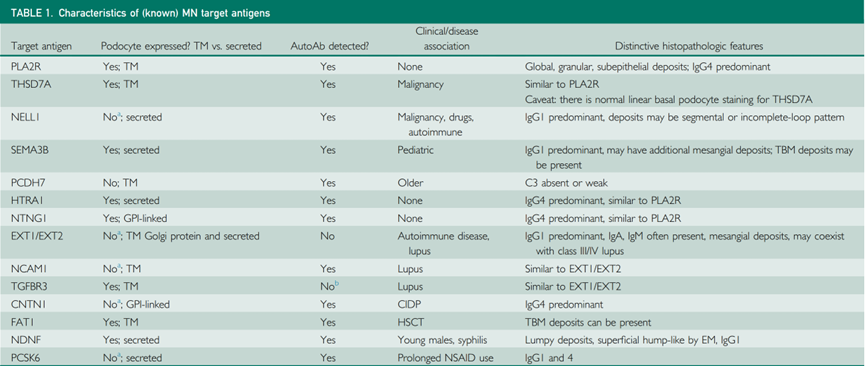
II. Advances in Clinical Research on the Treatment of Membranous Nephropathy
In recent years, several important clinical studies have been conducted on the treatment of MN, providing a strong basis for clinical treatment decisions. The GEMRITUX trial evaluated the complete or partial remission rate of rituximab (RTX) versus placebo (RASi) at 6 months. Although the primary endpoint was not positive at 6 months, extended follow-up found that the remission rate of RTX was significantly higher. The MENTOR trial compared the efficacy of RTX and cyclosporine. The results showed that the immune remission rate in the RTX group was higher at 6 months (52% vs 28%). At 12 months, there was no significant difference in the complete or partial remission rate between the two groups (60% vs 52%), while at 24 months, more patients in the RTX group remained in remission (60% vs 20%). The main reason was the high recurrence rate after discontinuing cyclosporine, indicating that RTX has more advantages in maintaining remission.
The STARMEN trial compared the sequential treatment regimen of tacrolimus followed by RTX with the cyclical alternating treatment regimen of corticosteroids and oral cyclophosphamide. At 24 months, the complete or partial remission rate of corticosteroid-cyclophosphamide treatment (84%) was better than that of the tacrolimus-RTX group (58%), and the complete remission rate was also significantly higher (60% vs 26%). The RI-CYCLO trial evaluated the efficacy of RTX versus corticosteroid-cyclophosphamide in inducing remission. At 12 months, the complete remission rate in the RTX group was lower (16% vs 32%), but at 24 months, there was no significant difference in complete remission and recurrence between the two groups (35% vs 42%, 22% vs 13%). These studies provide important references for the selection of MN treatment regimens.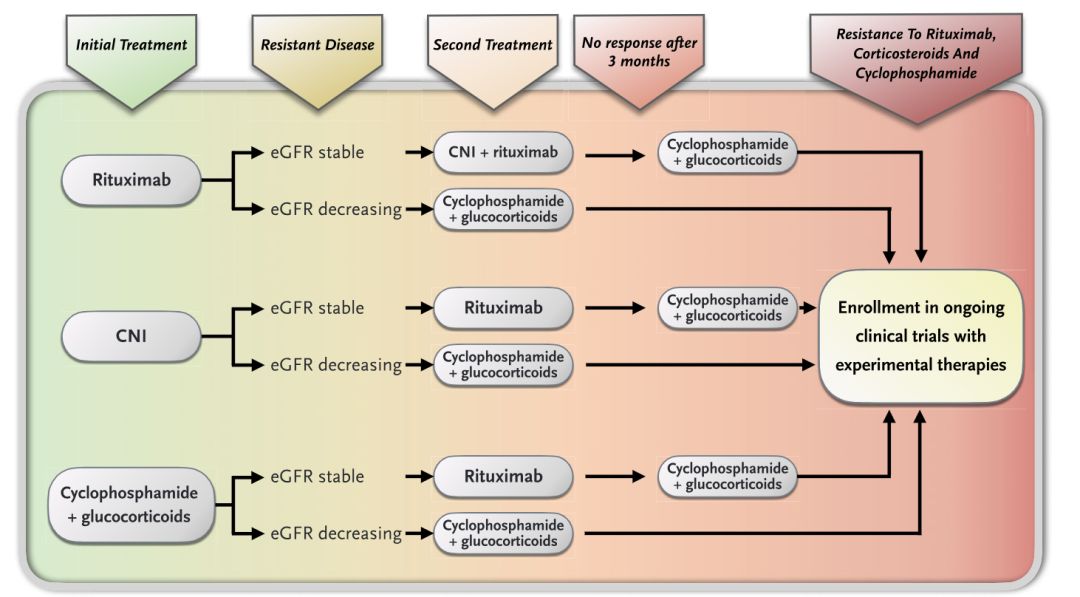
III. Management and Challenges of Refractory Membranous Nephropathy
Although treatments such as RTX and corticosteroid-cyclophosphamide have improved the remission rate of MN, 20%-30% of cases are still refractory membranous nephropathy. For patients with positive circulating PLA2R antibodies, if nephrotic syndrome persists after 3 months of appropriate immunosuppressive therapy, or if antibody levels do not decrease or even increase, it highly suggests refractory disease. The KDIGO 2021 guidelines provide recommendations for the treatment process of MN. When initial treatment fails, the second-line treatment should be selected based on the severity of renal function. If RTX is chosen as the second-line treatment, efficacy should be evaluated after 3 months; for patients unresponsive to both RTX and cyclophosphamide, participation in ongoing experimental treatment trials is recommended. The treatment of refractory MN still faces many challenges, and updated treatment methods are urgently needed.
IV. Emerging Therapeutic Approaches for Membranous Nephropathy
For refractory MN, a variety of emerging therapeutic approaches have brought new hope to patients. In the field of anti-CD20 monoclonal antibodies, in addition to RTX, Ofatumumab (OFA), as a type I humanized anti-CD20 monoclonal antibody, recognizes both the small and large loops of CD20 and has improved complement-mediated cytotoxicity; Obinutuzumab (OBI), as a high-efficiency type II humanized anti-CD20 monoclonal antibody, performs better in B-cell depletion. Proteasome inhibitors such as bortezomib can target and deplete antibody-producing plasma cells, and second-generation inhibitors such as carfilzomib are also being explored.
Anti-CD38 antibodies such as daratumumab can clear plasma cells in the spleen, bone marrow, and tissues. New drugs such as Isatuximab and felzartamab are also under research. Belimumab inhibits autoreactive B cells by targeting B lymphocyte stimulator (BLyS). A small study showed that it can reduce proteinuria and lower PLA2R antibody titers. Anti-complement therapies such as iptacopan (factor B inhibitor) and Narsoplimab (MASP-2 inhibitor) are developed based on the mechanism of complement involvement in MN pathogenesis. Immunoadsorption therapy can remove specific antibodies from the blood, and combined use with immunosuppression may improve efficacy. Bruton's tyrosine kinase inhibitors have great potential in autoimmune diseases by inhibiting B-cell development, survival, and activation. Chimeric autoantibody receptor T-cell (CAAR-T) therapy and Sweeping antibody technology, as emerging strategies, provide new directions for precise clearance of pathogenic B cells and circulating antigens.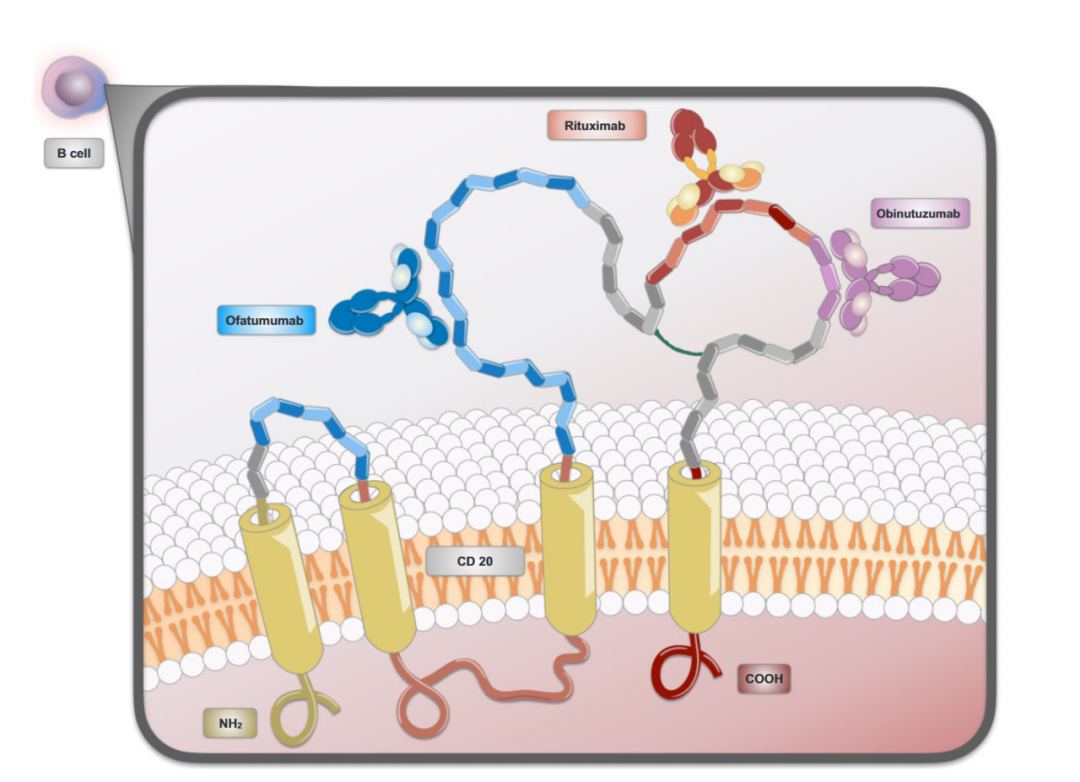
Conclusion
Over the past decade, with the deepening understanding of the pathogenesis of MN, significant progress has been made in its treatment, with various targeted therapeutic drugs and emerging technologies constantly emerging, improving the renal remission rate of patients. The discovery of NCAM-1 and other target antigens has laid the foundation for precise diagnosis and treatment of MN, while emerging therapeutic approaches targeting B cells, plasma cells, and the complement system are expected to improve the prognosis of patients with refractory MN. In the future, with the continuous advancement of research, the treatment of MN will move towards a more precise and effective direction, bringing more benefits to patients.












 Business license (three certificates in one)