The vascular endothelial growth factor (VEGF) family is a core group of molecules regulating angiogenesis. Its research originated from the discovery of "vascular permeability factor (VPF)", named for its ability to specifically act on vascular endothelial cells and induce angiogenesis. The family includes classic members such as VEGF-A, VEGF-B, and VEGF-C, with the recent addition of endocrine gland-derived vascular endothelial growth factor (EG-VEGF) further expanding its lineage. Among them, VEGF-A has become a research focus due to its dominant role in angiogenesis. Its precursor mRNA generates multiple isoforms through alternative splicing, and VEGF145 is an important member with a unique structure.
VEGF145 consists of 145 amino acids with a molecular mass of approximately 42 kDa. Its molecular origin stems from specific splicing of exons in the VEGF-A gene: it retains part of the heparin-binding sequence compared to VEGF121, while lacking part of the heparin-binding domain compared to VEGF165. This structural feature endows it with both solubility and matrix-binding ability—it can diffuse to a limited extent through body fluids and anchor to the extracellular matrix via partial heparin-binding sites, forming a "dual localization" characteristic, which lays the foundation for its special role in angiogenesis regulation. Its N-terminal retains the core functional domain that binds to VEGF receptors (VEGFR-1, VEGFR-2), ensuring the specificity and effectiveness of signal transduction.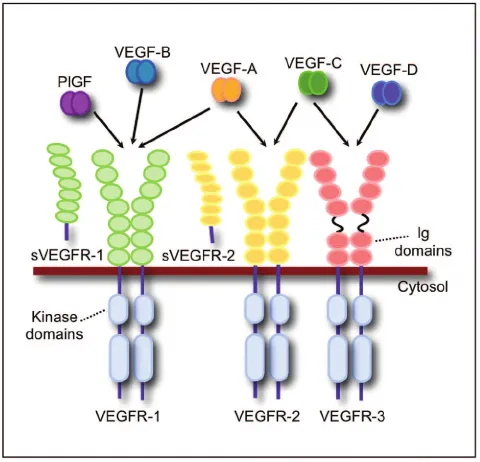
VEGF145 expression exhibits significant spatiotemporal specificity. During embryonic development, it is specifically expressed in key angiogenesis sites such as limb buds and neural tubes, participating in early vascular network construction. In adult tissues, it is continuously expressed at low levels in areas requiring dynamic maintenance of vascular homeostasis, such as the dermal layer of the skin and around pulmonary alveoli, maintaining tissue metabolism by regulating basal angiogenesis and permeability.
Under pathological conditions, its expression is specifically upregulated. For example, in the early stage of skin wound healing, fibroblasts and keratinocytes at the wound edge secrete large amounts of VEGF145, which rapidly accumulates around the wound through local matrix anchoring, while a small amount dissolves in exudate to recruit vascular endothelial cells. This "local enrichment + limited recruitment" model efficiently initiates angiogenesis in granulation tissue, avoiding scar hyperplasia caused by excessive angiogenesis.
The functions of VEGF145 are concentrated in angiogenesis regulation and vascular permeability balance:
"Fine regulation" of angiogenesis: Binding to VEGFR-2 activates the ERK1/2 and PI3K/AKT pathways, promoting endothelial cell proliferation, migration, and lumen formation. Simultaneously, binding to VEGFR-1 competitively inhibits excessive vascular sprouting, achieving dual regulation of "promoting proliferation + preventing excess" in embryonic vascular modeling and adult tissue repair, ensuring angiogenesis efficiency and structural order.
"Moderate regulation" of vascular permeability: Binding to VEGFR-2 activates the p38 MAPK pathway, inducing temporary relaxation of inter-endothelial junctions, increasing local vascular permeability, and promoting nutrient exchange and immune cell extravasation. Compared to other isoforms, the permeability changes it induces have a shorter duration and limited range, showing "rapid initiation + timely termination" characteristics, playing a balancing role in physiological tissue fluid exchange and local inflammatory control.
Recent studies have revealed its non-angiogenic functions: in the nervous system, it activates anti-apoptotic signals through VEGFR-1, promoting neuron survival and axonal growth. In spinal cord injury models, it can reduce nerve cell apoptosis and promote functional recovery. In immune regulation, it moderately inhibits dendritic cell maturation—low concentrations prevent excessive immune activation, while high concentrations enhance inhibition, participating in immune homeostasis maintenance.
In tumorigenesis, VEGF145 exhibits a "dual role". It is highly expressed in most solid tumors (breast cancer, gastric cancer), providing nutrients for growth by promoting the formation of "transitional blood vessels" at the tumor edge, and increasing vascular permeability to accelerate tumor cell metastasis. Its high expression is positively correlated with increased microvessel density and elevated lymph node metastasis rate, serving as a potential prognostic indicator for some tumors.
Meanwhile, the tumor blood vessels it induces have relatively ordered structures and small permeability fluctuations, which may reduce hypoxia and acidosis in the tumor microenvironment, lowering cell malignancy. This contradictory "growth-promoting + weak malignancy" characteristic suggests that its role needs to be evaluated comprehensively in combination with tumor type and stage.
In ocular diseases, VEGF145 is involved in some pathological processes. In the early stage of diabetic retinopathy, VEGF145 secreted by retinal Müller cells forms a concentration gradient through matrix anchoring, inducing capillary endothelial cell proliferation. Dysregulation may participate in abnormal neovascularization. Although retinal vascular leakage induced by it is milder than that by VEGF165, long-term high expression can still cause complications such as macular edema, potentially serving as a target for early intervention.
Existing VEGF-targeted drugs (such as monoclonal antibodies and small-molecule tyrosine kinase inhibitors) have cross-effects on VEGF145, exerting effects by blocking receptor binding or inhibiting VEGFR activity. However, their low specificity may simultaneously inhibit the physiological functions of other isoforms, leading to adverse reactions such as hypertension and delayed wound healing.
Specific targeting strategies are in the exploratory stage: one is the design of peptide inhibitors based on the unique heparin-binding domain to block its matrix anchoring and local enrichment; the other is the development of bispecific antibodies that simultaneously recognize the receptor-binding domain and heparin-binding domain for precise targeting. Considering its physiological functions in wound repair and neuroprotection, targeting strategies need to pursue "precise regulation", such as using tumor microenvironment-responsive smart carriers for local drug delivery, while inhibiting pathological effects and retaining physiological functions.
In summary, VEGF145 plays a unique role in physiological and pathological processes with its "dual localization" characteristic. In-depth research on its functional network and targeting strategies will provide new ideas for the treatment of angiogenesis-related diseases.












 Business license (three certificates in one)