




MHC Aggregation Technology: Decoding Immune Responses and Accurately Tracking Antigen Specific T Cells


MHC oligomerization technology is a major breakthrough in immunological research, which achieves high-precision detection of antigen-specific T cells by binding MHC molecules to specific antigen peptides and aggregating them into complexes. This technology solves the bottleneck that traditional methods cannot directly identify T cell specificity, providing unprecedented resolution for immune response research.
- Recent Advances
- Product Information
What are MHC multimers and how have they revolutionized T-cell research?
MHC multimer technology represents a major breakthrough in immunological research. It enables high-precision detection of antigen-specific T cells by binding MHC molecules to specific antigen peptides and polymerizing them into complexes. This technology addresses the bottleneck of traditional methods that could not directly identify T-cell specificity, providing unprecedented resolution for immune response studies. Whether in infectious diseases, tumor immunology, or autoimmune disease research, MHC multimers have become an indispensable tool.
How does this technology work?
The core of MHC multimer technology lies in simulating the natural process of T-cell antigen recognition. First, recombinant MHC molecules, β2-microglobulin, and antigen peptides are folded in vitro to form stable complexes. These complexes are then polymerized into multivalent structures using a biotin-streptavidin system. This multimerization significantly enhances the binding strength to T-cell receptors (TCRs), enabling detectable signals even for low-affinity T cells and greatly improving detection sensitivity.
How is the stability of MHC-peptide complexes ensured?
The stability of the complexes relies on strictly controlled folding conditions. Optimizing buffer composition, pH, temperature, and folding time is crucial. Additionally, techniques such as ELISA, surface plasmon resonance (SPR), or gel electrophoresis are used to validate the quality of the complexes, ensuring correct conformation and functional integrity. Stable complexes are key to experimental success, directly impacting the accuracy and reproducibility of subsequent detections.
What applications do MHC multimers have in tumor immunotherapy?
In tumor neoantigen screening, MHC multimer technology can efficiently evaluate the binding ability of mutant peptides to HLA molecules, helping researchers prioritize the most immunogenic candidate antigens. Furthermore, this technology can be used to prepare MHC multimer reagents for isolating and characterizing tumor-specific T cells via flow cytometry, providing critical support for personalized cancer vaccines and T-cell therapies.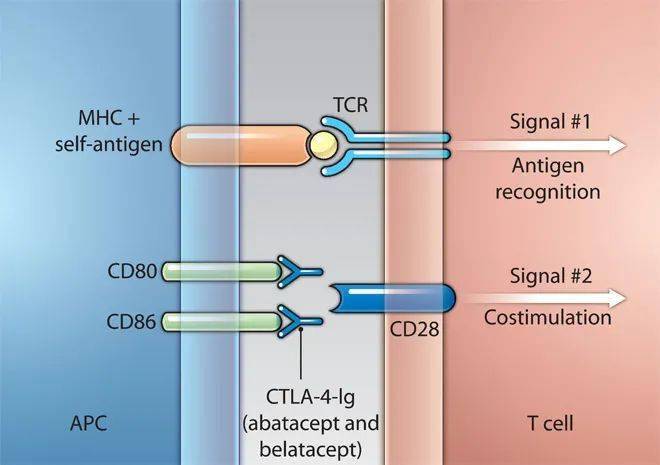
How can this technology advance vaccine development?
For viral vaccines (such as those for HIV, influenza, or COVID-19), assessing T-cell immune responses is crucial. MHC multimer technology can directly quantify the frequency and function of antigen-specific T cells, revealing the immune protection mechanisms induced by vaccines. Additionally, by screening antigen peptides that broadly bind to different HLA types, researchers can design universal vaccines with broader population coverage.
What role does it play in autoimmune disease research?
Autoimmune diseases (such as rheumatoid arthritis or type 1 diabetes) are often driven by self-reactive T cells. MHC multimers loaded with self-antigen peptides can be used to directly identify, isolate, and analyze these pathogenic T cells, uncovering their activation mechanisms and functional characteristics. This technology not only aids in disease mechanism research but also provides possibilities for developing specific immune intervention strategies.
How can it help improve organ transplant outcomes?
Rejection after organ transplantation is primarily mediated by donor-specific T cells. Using MHC multimers constructed with donor HLA molecules, dynamic changes in donor-specific T cells in the recipient can be monitored, enabling early warning of rejection reactions. Additionally, this technology can be used to evaluate the effectiveness of immunosuppressive therapies and guide the development of personalized treatment plans.
How do different detection modes meet diverse needs?
Depending on the research objectives, MHC multimer technology can be applied in various modes. For example, the antigen peptide screening mode rapidly screens binding peptides by fixing the HLA type; the HLA adaptation mode tests the binding characteristics of specific peptides to multiple HLA variants; and the complex verification mode ensures the quality of pMHC complexes for downstream applications. This flexibility allows it to adapt to the different needs of basic research and clinical translation.
What advantages does it have over traditional methods?
Compared to traditional techniques like ELISPOT or intracellular cytokine staining, MHC multimer technology can directly detect antigen-specific T cells without requiring T-cell activation, avoiding the indirectness and bias of functional experiments. Meanwhile, its single-cell resolution allows for the combination of phenotypic analysis (e.g., memory/effector marker detection) and functional assessment, providing more comprehensive T-cell characteristic information.
What are the future directions for development?
With technological advancements, MHC multimers are moving toward higher throughput and greater diversity. For example, multicolor-coded multimers allow simultaneous detection of multiple antigen-specific T cells; integration with single-cell sequencing technology enables in-depth analysis of T-cell clonality and functional status; and the application of microfluidic technology further improves detection sensitivity and efficiency. These innovations will push immunological research into new dimensions.
How to choose the appropriate type of MHC multimer?
Depending on the specific experimental goals, researchers can choose different types of MHC multimers, such as tetramers, pentamers, or dextramers. Tetramers are suitable for most situations, while pentamers and dextramers offer better detection for low-affinity T cells due to their higher binding valency. Additionally, different labeling methods, such as fluorescent labels, magnetic beads, or Strep-Tag, provide for multimodal detection.
Through continuous optimization and innovation, MHC multimer technology will continue to play an irreplaceable role in basic immunology research, disease mechanism analysis, and clinical diagnosis and treatment.
This article is reviewed and published by the technical expert team of UA
Disclaimer: This article partially utilizes artificial intelligence assistance in its creation. If any content involves copyright or intellectual property issues, please let us know and we promise to verify and remove it as soon as possible.
Purchase recombinant protein, choose Nanjing UA-Bio
UA protein focuses on providing various protein reagents, raw materials, and services required for drug research and development, cell therapy, gene therapy, and basic scientific research, including drug target proteins, immune checkpoint proteins, cytokines, tool enzymes, customized protein expression, and full-length transmembrane protein development. Youai is committed to providing customers with high-quality products and professional services, and building a High-tech Biological Enterprise with International Competitiveness.







 Business license (three certificates in one)