




MHC class II tetramer technology: a new key to cracking tumor immune escape


One of the main strategies for tumor cells to evade T cell recognition is to downregulate MHC molecule expression. When MHC molecules are deficient, tumor cells no longer present mutant antigens, causing T cells to lose their tracking and attacking targets, thus allowing them to proliferate "invisibly". This mechanism is particularly common in solid tumors, posing a huge challenge to immunotherapy
- Recent Advances
- Product Information
How do tumor cells achieve immune escape through MHC deficiency?
It is well known that one of the primary strategies tumor cells use to evade T cell recognition is the downregulation of MHC molecule expression. When MHC molecules are deficient, tumor cells no longer present mutant antigens, causing T cells to lose their tracking and attack targets, thereby allowing the tumor cells to proliferate while "hidden." This mechanism is particularly common in solid tumors and poses significant challenges for immunotherapy. However, scientists have begun to explore whether other immune mechanisms could address this issue.
What unique advantages do CD4+ T cells offer in antitumor immunity?
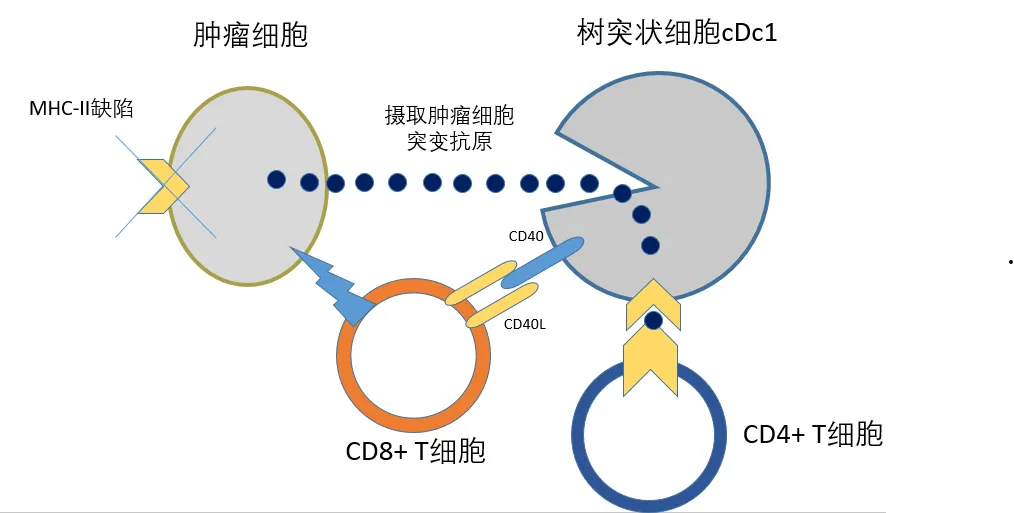
Compared to CD8+ T cells, CD4+ T cells exhibit three distinctive features: first, MHC class II molecules have a broader antigen peptide-binding spectrum, enabling them to present a wider variety of tumor mutant antigens; second, CD4+ T cell surface TCRs possess broader recognition capabilities; most importantly, the immune activity of CD4+ T cells does not depend on the affinity between the TCR and the antigen peptide-MHC complex, allowing them to respond to a greater diversity of tumor antigens.
How are TCR-T cells targeting MHC-deficient tumors constructed?
The research team employed a whole tumor cell vaccine immunization strategy, followed by the use of mutant peptide-MHC tetramers as capture tools to isolate antigen-specific T cells from immunized mice. After obtaining specific TCR sequences through TCR sequencing, the researchers constructed various TCR-T cells and systematically compared the antitumor effects of TCRs with different affinities.
How do engineered TCR-T cells exert antitumor effects?
Surprisingly, the study found that the affinity between the TCR and the antigen peptide-MHC complex did not affect the cytokine secretion capacity of CD4+ T cells. More importantly, since tumor cells lack MHC-II molecules, CD4+ T cells do not directly recognize tumor cells. Instead, they indirectly mediate tumor killing by highly expressing CD40L molecules, which activate CD8+ T cells in the tumor microenvironment. When this pathway was blocked using anti-CD40L antibodies, the antitumor effects of TCR-T cells were completely abolished.
What are the key findings and clinical implications of this study?
This study is the first to reveal the complete mechanism by which CD4+ T cells activate CD8+ T cells through the CD40L-CD40 signaling axis, indirectly killing MHC-II-negative tumor cells. Notably, the cytokines IL-7 and IL-15 can induce CD4+ T cells to exhibit a stem cell memory phenotype. These cells are particularly abundant in tumor-draining lymph nodes, enabling sustained antitumor immune responses.
These findings not only deepen our understanding of tumor immune responses but, more importantly, provide new directions for developing immunotherapy strategies targeting MHC-deficient tumors. By leveraging MHC class II tetramer technology to screen specific TCRs and harnessing the unique functions of CD4+ T cells, scientists may have discovered an innovative approach to overcoming tumor immune evasion.
As this technology continues to evolve, we can expect to see more effective treatment options for solid tumors, offering new hope for patients who do not respond to traditional immunotherapies.
This article is reviewed and published by the technical expert team of UA
Disclaimer: This article partially utilizes artificial intelligence assistance in its creation. If any content involves copyright or intellectual property issues, please let us know and we promise to verify and remove it as soon as possible.
Purchase recombinant protein, choose Nanjing UA-Bio
UA protein focuses on providing various protein reagents, raw materials, and services required for drug research and development, cell therapy, gene therapy, and basic scientific research, including drug target proteins, immune checkpoint proteins, cytokines, tool enzymes, customized protein expression, and full-length transmembrane protein development. Youai is committed to providing customers with high-quality products and professional services, and building a High-tech Biological Enterprise with International Competitiveness.







 Business license (three certificates in one)