




New direction of BCMA CAR-T therapy: from tumor treatment to autoimmune diseases


B cell maturation antigen (BCMA), also known as TNFRSF17, is a member of the tumor necrosis factor receptor superfamily. It is mainly expressed on the surface of mature B lymphocytes and long-lived plasma cells, playing a key role in regulating B cell differentiation, survival, and antibody production.
- Recent Advances
- Product Information
Q: What is BCMA, and on which cells is it expressed?
B-cell maturation antigen (BCMA), also known as TNFRSF17, is a member of the tumor necrosis factor receptor superfamily. It is primarily expressed on the surface of mature B lymphocytes and long-lived plasma cells and plays a key role in regulating B-cell differentiation, survival, and antibody production. Due to its specific high expression on plasma cells, BCMA has become an ideal therapeutic target for plasma cell malignancies such as multiple myeloma. In recent years, CAR-T cell therapies targeting this antigen have demonstrated significant efficacy in treating hematological tumors.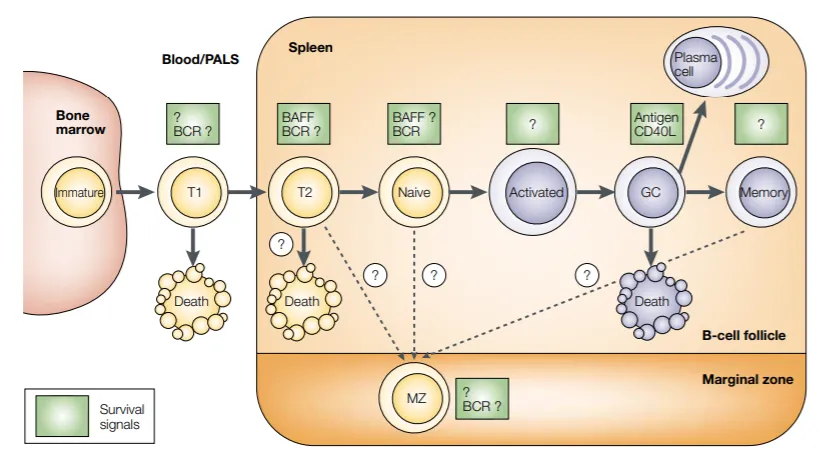
Q: Why can BCMA CAR-T therapy be used to treat autoimmune diseases?
Traditionally, BCMA CAR-T therapy was designed to treat multiple myeloma by identifying and eliminating malignant plasma cells expressing BCMA on their surface. However, plasma cells are also the primary source of pathogenic antibodies (such as autoantibodies) in autoimmune diseases. In autoimmune conditions like neuromyelitis optica spectrum disorder (NMOSD), autoantibodies produced by plasma cells attack the body’s own tissues, leading to inflammation and tissue damage. By infusing BCMA CAR-T cells, pathogenic antibody-producing plasma cells can be specifically cleared, reducing the generation of autoantibodies at the source and thereby controlling disease progression. This treatment approach expands the potential applications of BCMA-targeted therapy beyond oncology.
Q: What is neuromyelitis optica spectrum disorder (NMOSD), and how is it related to BCMA?
Neuromyelitis optica spectrum disorder (NMOSD) is an immune-mediated inflammatory demyelinating disease of the central nervous system characterized by relapses and high disability rates. Its core pathogenesis is associated with aquaporin-4 antibodies (AQP4-IgG), which are produced by plasma cells and attack aquaporin channels on astrocytes, leading to severe inflammation of the optic nerve and spinal cord.
The role of BCMA in this disease differs from its role in multiple myeloma. The therapeutic target is not cancer cells but rather the plasma cells that produce pathogenic autoantibodies. By using BCMA CAR-T therapy to target and clear these cells, it is possible to significantly reduce serum levels of autoantibodies, thereby mitigating attacks on the nervous system, improving clinical symptoms, and lowering relapse rates.
Q: Is there clinical research supporting the use of BCMA CAR-T for NMOSD?
Some early clinical studies have begun exploring the application of BCMA CAR-T in NMOSD patients. These studies typically use cell doses similar to those employed in multiple myeloma treatment, generally in the range of 0.5–1×10^6 cells/kg. Reported results so far indicate that the therapy has a manageable safety profile, with most cases of cytokine release syndrome (CRS) being grade 1-2, and no severe neurotoxic events have been reported.
In terms of efficacy, some subjects have shown significant improvements in clinical symptoms, including vision recovery, enhanced motor function, and better sphincter control. Notably, post-treatment autoantibody levels in patients decreased significantly, suggesting that BCMA CAR-T therapy can intervene in the disease process at an immunological level. However, these results are still preliminary, and larger, well-designed clinical studies are ongoing to further confirm its long-term efficacy and safety.
Q: What challenges does BCMA CAR-T face in treating autoimmune diseases?
Applying BCMA CAR-T therapy to autoimmune diseases still faces multiple challenges. The primary concern is safety: since the treatment depletes plasma cells, patients' immunoglobulin levels may drop significantly, increasing the risk of infections. Therefore, immune function and signs of infection must be closely monitored during treatment, and replacement therapies (such as intravenous immunoglobulin) should be administered promptly.
Additionally, autoimmune diseases are chronic conditions requiring long-term management. The one-time nature of CAR-T therapy raises questions about its durability and the need for retreatment strategies. It remains unclear how long the therapeutic effects will last and whether multiple infusions or combinations with other immunosuppressants will be necessary. Variability in treatment responses among individuals is another important consideration, as patients may respond differently due to disease heterogeneity.
Q: What is the future outlook for BCMA CAR-T in autoimmune diseases?
The expansion of BCMA CAR-T therapy into autoimmune diseases represents a shift in treatment paradigms: from "cell killing" to "immune remodeling." This shift not only offers new treatment options for NMOSD patients but also opens potential avenues for other autoimmune diseases mediated by plasma cells or autoantibodies, such as systemic lupus erythematosus and pemphigus.
As understanding of BCMA’s biological functions deepens and CAR-T technology continues to evolve, more BCMA-targeted treatment strategies for autoimmune diseases are likely to emerge. Researchers are also exploring ways to further enhance treatment safety, such as by regulating the activity of CAR-T cells or developing dual-target strategies to preserve some normal immune function while clearing pathogenic cells.
This article is reviewed and published by the technical expert team of UA
Disclaimer: This article partially utilizes artificial intelligence assistance in its creation. If any content involves copyright or intellectual property issues, please let us know and we promise to verify and remove it as soon as possible.
Purchase recombinant protein, choose Nanjing UA-Bio
UA protein focuses on providing various protein reagents, raw materials, and services required for drug research and development, cell therapy, gene therapy, and basic scientific research, including drug target proteins, immune checkpoint proteins, cytokines, tool enzymes, customized protein expression, and full-length transmembrane protein development. Youai is committed to providing customers with high-quality products and professional services, and building a High-tech Biological Enterprise with International Competitiveness.







 Business license (three certificates in one)