




XIAP Protein Structure and Function Overview - Ready-to-Ship for Your Convenience


PROTAC (Proteolysis Targeting Chimeras) are bifunctional molecules composed of three key components: a target protein-binding ligand, an E3 ubiquitin ligase ligand, and a linker. Within cells, PROTAC molecules are capable of recognizing and selectively binding to target proteins, recruiting specific E3 ubiquitin ligases to form a ternary complex consisting of the "target protein-PROTAC-E3 ubiquitin ligase."
- Recent Advances
- Product Information
- Reference
Introduction to PROTAC
PROTAC (Proteolysis Targeting Chimeras) are bifunctional molecules composed of three key components: a target protein-binding ligand, an E3 ubiquitin ligase ligand, and a linker. Within cells, PROTAC molecules recognize and selectively bind to target proteins, recruiting specific E3 ubiquitin ligases to form a ternary complex consisting of the "target protein-PROTAC-E3 ubiquitin ligase." Subsequently, the E3 ubiquitin ligase, in conjunction with the E2 ubiquitin-conjugating enzyme, ubiquitinates the target protein. As the ubiquitin-proteasome system is a critical pathway for protein degradation in humans, responsible for degrading over 80% of intracellular proteins, the ubiquitinated target protein is recognized and degraded by the proteasome after the dissociation of the PROTAC molecule from the ternary complex.
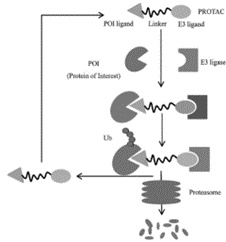
Figure 1: Schematic Diagram of PROTAC Function
XIAP Structure
IAP (Inhibitor of Apoptosis Protein) is a family of endogenous apoptosis-inhibiting proteins with structural homology, highly conserved across evolution and widely present in cells of various animals. In humans, eight IAPs have been identified: NAIP (BIRC1), BIRC2 (cIAP1), BIRC3 (cIAP2), XIAP (BIRC4), BIRC5 (survivin), BIRC6 (apollon), BIRC7 (Livin), and BIRC8. Like other IAP family proteins, XIAP inhibits apoptosis by blocking apoptotic pathways. However, XIAP is not highly conserved in structure and sequence, hence it is also referred to as a human IAP-like protein (hIAP-like protein).
The XIAP (X-linked inhibitor of apoptosis protein) gene is located at Xq24-25, with its coding region spanning 129 bp to 1622 bp. It consists of seven exons, a transcript length of 9.0 kb, and encodes a 497-amino acid protein with a molecular weight of 57 kDa. XIAP is composed of multiple characteristic domains:
1. N-terminal BIR Domains: Contains three baculovirus IAP repeat (BIR) domains: BIR1, BIR2, and BIR3. Each BIR domain consists of three anti-parallel β-sheets and four α-helices. These domains directly inhibit the activity of Caspase-3, Caspase-7, and Caspase-9.
2. C-terminal RING Domain: Contains a RING finger domain with E3 ubiquitin ligase activity, capable of catalyzing the ubiquitination and degradation of itself and target proteins, while also altering the activity of modified proteins.
3. UBA Domain: A ubiquitin-associated domain that directly binds polyubiquitin (polyUb) chains, participating in ubiquitin-dependent signaling pathways.
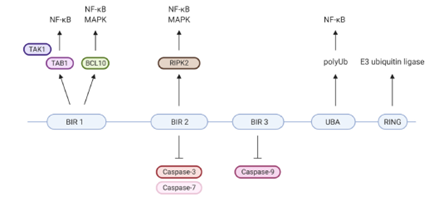
Figure 2: Schematic Diagram of XIAP Protein Structure
NMR results indicate that a linker between BIR1 and BIR2 is the sole interaction site for XIAP with Caspase-7.
Functions of XIAP
Apoptosis, Autophagy, and Necrosis
Apoptosis is a highly regulated process of programmed cell death, active from embryonic development to death. XIAP inhibits the activation and maturation of Caspase-3, Caspase-7, and Caspase-9, thereby blocking apoptosis. The Caspase (cysteine-aspartic protease) family, also known as the ICE/CED-3 family, includes initiator caspases that act upstream in the apoptotic cascade.
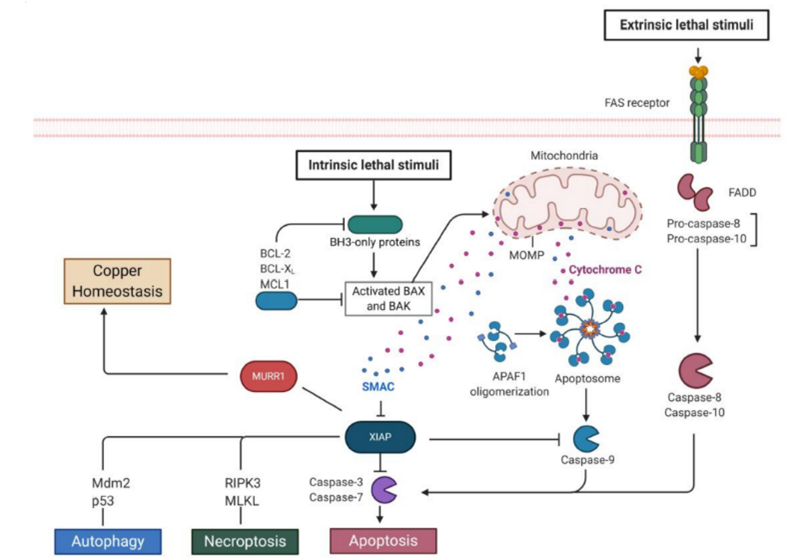
Figure 3: Role of XIAP in Apoptosis
The mitochondrial pathway is an intrinsic pathway of apoptosis. Upon stimulation by apoptotic signals, mitochondria release cytochrome c and Smac/DIABLO (a mitochondrial intermembrane space protein). Cytochrome c binds to Apaf-1 (Apoptosis Protease Activating Factor-1), forming the apoptosome in the presence of dATP, which activates Caspase-9 and subsequently downstream effector caspases such as Caspase-3, Caspase-6, Caspase-7, Caspase-8, and Caspase-10, initiating apoptosis. XIAP inhibits the release of cytochrome c, thereby suppressing caspase activation. Similarly, Smac/DIABLO, upon release into the cytoplasm, binds to XIAP, inhibiting its ability to bind caspases and promoting apoptosis.
In tumor cells, XIAP may interact with TRAFs, facilitating the translocation of NF-κB from the cytoplasm to the nucleus, activating target genes and increasing XIAP expression, which inhibits caspases. Mutational studies of XIAP and UBA indicate that BIR1 and UBA are involved in NF-κB activation.
XIAP also participates in necrosis and autophagy. Studies show that XIAP inhibits autophagy and promotes tumorigenesis by mediating the Mdm2-p53 signaling pathway.
Immune Regulation
XIAP regulates immune processes through the NOD2 (Nucleotide-binding Oligomerization Domain-containing protein 2) signaling pathway. NOD2, also known as NLRC2, belongs to the NLR family and serves as an intracellular pattern recognition receptor for peptidoglycans derived from Gram-positive and Gram-negative bacteria. Activation of NOD2 induces XIAP-mediated RIPK2 polyubiquitination, which recruits LUBAC (linear ubiquitin chain assembly complex), leading to linear ubiquitination of RIPK2 and increased recruitment of IKK subunits, activating NF-κB and MAPK-dependent cytokine transcription, such as TNF, to amplify inflammatory signals.
Dectin-1, a transmembrane pattern recognition receptor, recognizes β-glucans. Upon activation, XIAP binds and ubiquitinates BCL-10, which activates NF-κB and MAPK pathways, promoting cytokine expression.
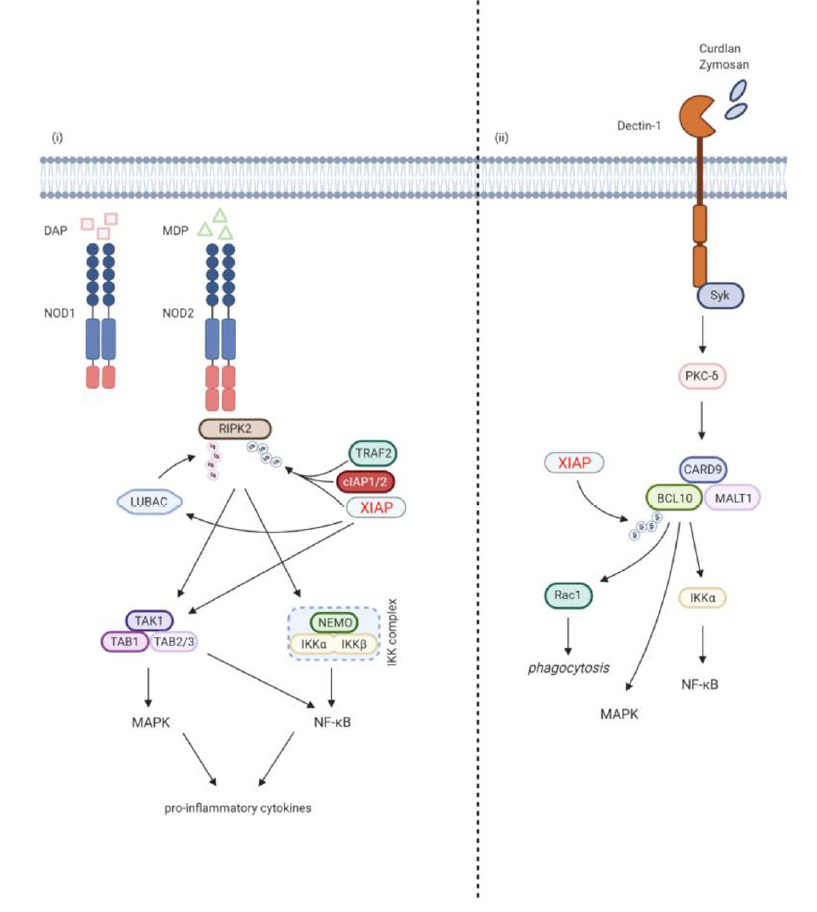
Figure 4: Role of XIAP in Immune Regulation
Overexpression of XIAP is associated with various cancers, inhibiting apoptosis and promoting tumorigenesis while also increasing resistance to multiple drugs. Current therapeutic research targeting XIAP includes small-molecule inhibitors, antisense oligonucleotide technology (ASODN), RNA interference (RNAi), and PROTAC technology.
Stay tuned for a detailed introduction to PROTAC technology!
XIAP Recombinant Protein from UA BIOSCIENCE
UA BIOSCIENCE offers over 500 target proteins, including multiple PROTAC-related proteins such as CRBN, VHL, and XIAP, available for immediate purchase.
Product Code: UA010573
Product Name: XIAP (Bir3) His Tag, Human
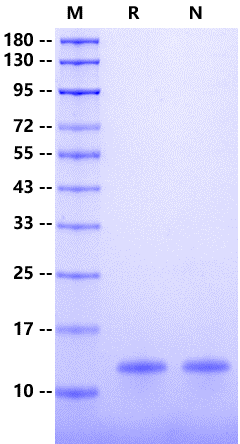
3μg (R: reducing condition, N: non-reducing condition).
Click on the product catalog numbers below to be redirected to the official website for more details.
This article is reviewed and published by the technical expert team of UA
Disclaimer: This article partially utilizes artificial intelligence assistance in its creation. If any content involves copyright or intellectual property issues, please let us know and we promise to verify and remove it as soon as possible.
Purchase recombinant protein, choose Nanjing UA-Bio
UA protein focuses on providing various protein reagents, raw materials, and services required for drug research and development, cell therapy, gene therapy, and basic scientific research, including drug target proteins, immune checkpoint proteins, cytokines, tool enzymes, customized protein expression, and full-length transmembrane protein development. Youai is committed to providing customers with high-quality products and professional services, and building a High-tech Biological Enterprise with International Competitiveness.

1.Evolulution of Our Understanding of XIAP Deficiency.
2.XIAP's Profile in Human Cancer.






 Business license (three certificates in one)