




Virus Battle, Assemble!


On July 20, 2023, Liang Wannian and colleagues published an article titled "The R&D Landscape for Infectious Disease Vaccines" in the Nature sub-journal Nature Reviews Drug Discovery. The article highlights that the top three pathogens dominating vaccine research and development are all viruses, including: SARS-CoV-2 (246 vaccine candidates, 25%), influenza (104 vaccine candidates, 11%), and HIV (84 vaccine candidates, 9%). This underscores that viral vaccine research remains a critical and prominent direction in the field.
- Recent Advances
- Product Information
Introduction
On July 20, 2023, Liang Wannian and colleagues published an article titled "The R&D Landscape for Infectious Disease Vaccines" in the Nature sub-journal Nature Reviews Drug Discovery. The article highlights that the top three pathogens dominating vaccine research and development are all viruses, including: SARS-CoV-2 (246 vaccine candidates, 25%), influenza (104 vaccine candidates, 11%), and HIV (84 vaccine candidates, 9%). This underscores that viral vaccine research remains a critical and prominent direction in the field.
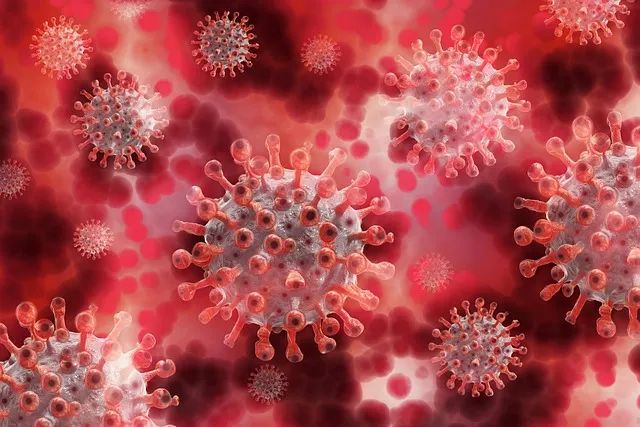
Influenza Virus
Influenza is a seasonal respiratory disease characterized by symptoms such as high fever, runny nose, muscle pain, and systemic discomfort. The viruses responsible for influenza are classified into types A, B, and C, with influenza A viruses (e.g., H1N1, H5N1) being the primary pathogens causing influenza pandemics.
Influenza A viruses belong to the Orthomyxoviridae family and are single-stranded, negative-sense RNA viruses. They consist of three main components: the envelope, matrix protein (M), and core (nucleoprotein, NP). The envelope is a lipid layer derived from the host cell's plasma membrane and contains two distinct glycoprotein spikes: hemagglutinin (HA) and neuraminidase (NA). The matrix protein forms the viral scaffold, including M1 and M2. The viral core comprises eight segments of negative-sense RNA, polymerase basic proteins PB1 and PB2, polymerase acidic protein PA, and the nucleoprotein.
HA and NA elicit immune responses and induce the production of protective antibodies in the host. However, due to antigenic instability, genetic variations in these proteins enable immune evasion, leading to antigenic shifts and the emergence of pandemics.
Common forms of influenza virus antigenic variation include:
1.Antigenic Drift: Minor variations with less than 1% change in HA/NA amino acid sequences, resulting in subtype variations. These are typically caused by point mutations in the viral genome and are influenced by population selection pressures, leading to new variants every 2-5 years and causing moderate to small-scale epidemics.
2.Antigenic Shift: Major variations with 20-30% changes in HA amino acid sequences, resulting in the emergence of new subtypes due to structural changes in one or both surface antigens.
Respiratory Syncytial Virus (RSV)
RSV (Respiratory Syncytial Virus) is a single-stranded, negative-sense RNA virus first isolated in 1956 and belongs to the Paramyxoviridae family. Its genome is 15.2 kb long and encodes 11 proteins: non-structural proteins NS1 and NS2; envelope proteins attachment protein (G), fusion protein (F), matrix protein M, and small hydrophobic protein SH; and ribonucleoproteins N, P, polymerase subunit L, M2-1, and M2-2.
HRSV (Human Respiratory Syncytial Virus) particles are spherical or filamentous, measuring 120-300 nm in diameter. The viral envelope, composed of lipoproteins, contains spikes approximately 12-16 nm long, formed by glycoproteins. Inside the envelope, the nucleoprotein exhibits helical symmetry with a diameter of 13 nm.
The virus binds to cell surface receptors via the G protein, while the F protein mediates membrane fusion. Both proteins contain B-cell and T-cell epitopes, making them the most important viral antigens for eliciting humoral and cellular immune responses. The G protein exhibits high variability, classifying RSV into subtypes A and B, with G protein-induced neutralizing antibodies being subtype-specific. In contrast, the F protein is highly conserved, with over 90% amino acid sequence similarity between subtypes A and B, enabling F protein-induced neutralizing antibodies to inhibit both subtypes.
Current RSV vaccine research focuses on live-attenuated vaccines, viral vector vaccines, nanoparticle vaccines, and subunit vaccines. Approved antibodies for RSV treatment, such as palivizumab and nirsevimab, are also used for disease prevention.
SARS-CoV-2
SARS-CoV-2 belongs to the Coronaviridae family. The viral particles are predominantly spherical, enveloped, and feature crown-like spikes. The virus diameter ranges from 80-120 nm. SARS-CoV-2 is a single-stranded, positive-sense RNA virus with the largest RNA genome known, encoding 29 proteins from 14 open reading frames (ORFs). The 5' end of the genome encodes two overlapping proteins, pp1a and pp1ab, while the 3' end encodes four structural proteins: nucleocapsid (N), spike (S), membrane (M), and envelope (E), which are involved in viral assembly and host immune evasion.
According to "The R&D Landscape for Infectious Disease Vaccines", over 50 vaccines have received market approval or emergency use authorization, with 64 in Phase 3 trials or under regulatory review, 47% of which are mRNA-based. Additionally, at least 14 nasal vaccines are currently under development.
UA BIOSCIENCE Product Advantages:
Protein purity ≥95% (some include HPLC validation).
Endotoxin levels <0.1 EU/μg.
Exceptional cost-performance ratio!
Click the product code below to visit our official website for more details.
This article is reviewed and published by the technical expert team of UA
Disclaimer: This article partially utilizes artificial intelligence assistance in its creation. If any content involves copyright or intellectual property issues, please let us know and we promise to verify and remove it as soon as possible.
Purchase recombinant protein, choose Nanjing UA-Bio
UA protein focuses on providing various protein reagents, raw materials, and services required for drug research and development, cell therapy, gene therapy, and basic scientific research, including drug target proteins, immune checkpoint proteins, cytokines, tool enzymes, customized protein expression, and full-length transmembrane protein development. Youai is committed to providing customers with high-quality products and professional services, and building a High-tech Biological Enterprise with International Competitiveness.







 Business license (three certificates in one)