




Pioneering Team for Wnt-3a/RSPO/Noggin-Based Organoid Culture!


Organoids are defined as collections of organ-specific cells that develop from stem cells or organ progenitor cells and are capable of self-organization through processes akin to those in vivo, such as cell sorting and spatially restricted lineage differentiation. As evident from this definition, the foundation of organoid technology lies in stem cell biology, classical developmental biology, and cell recombination experiments.
- Recent Advances
- Product Information
Organoids
Organoids are defined as collections of organ-specific cells that develop from stem cells or organ progenitor cells and are capable of self-organization through processes akin to those in vivo, such as cell sorting and spatially restricted lineage differentiation. As evident from this definition, the foundation of organoid technology lies in stem cell biology, classical developmental biology, and cell recombination experiments.
Wnt-3a
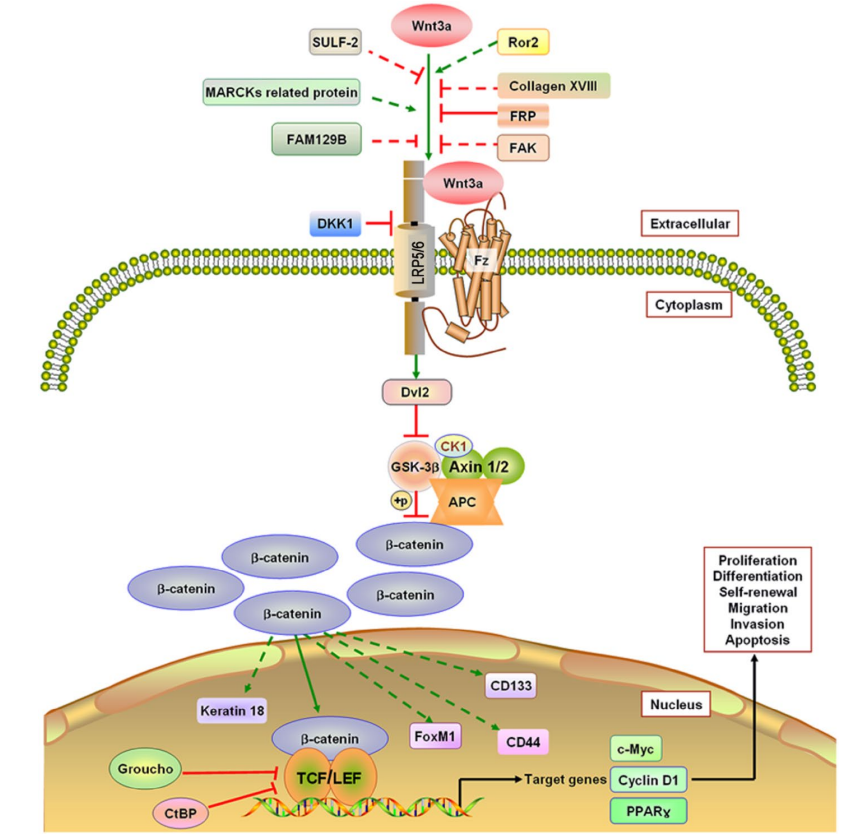
The Wnt-3a gene is located on human chromosome 1q42. Wnt3a can bind to the trimeric receptor complex formed by Frizzled and LRP5/6 on the cell surface. CK1 (Casein Kinase 1), GSK-3β, APC (Adenomatous Polyposis Coli), Axin1, and Axin2 can form a destruction complex. Upon binding of Wnt3a to its receptor, Dsh (Dishevelled) and Axin1 are recruited, preventing the formation of the destruction complex and leading to the accumulation of β-catenin in the cytoplasm. The accumulated β-catenin translocates to the nucleus, where it interacts with TCF (T cell-specific transcription factor) and LEF (Lymphoid enhancer-binding factor) to regulate downstream Wnt target genes.
The Wnt/β-catenin signaling pathway plays a crucial role in the proliferation and differentiation of stem cells, such as neural stem cells and hematopoietic stem cells. Wnt3a can stimulate the migration and invasion of trophoblast cells and induce the survival, proliferation, and migration of HEK293 cells.
Organoids have been successfully generated for various tissues, including small intestine, stomach, liver, liver metastases of colorectal cancer, pancreas, and retina.
Product Information: Wnt-3a, Human
Catalog Number: UA040120
Name: Wnt-3a, Human
Specifications: 50 µg, 100 µg
Purity: >75% by SDS-PAGE
Activity: <5 ng/mL
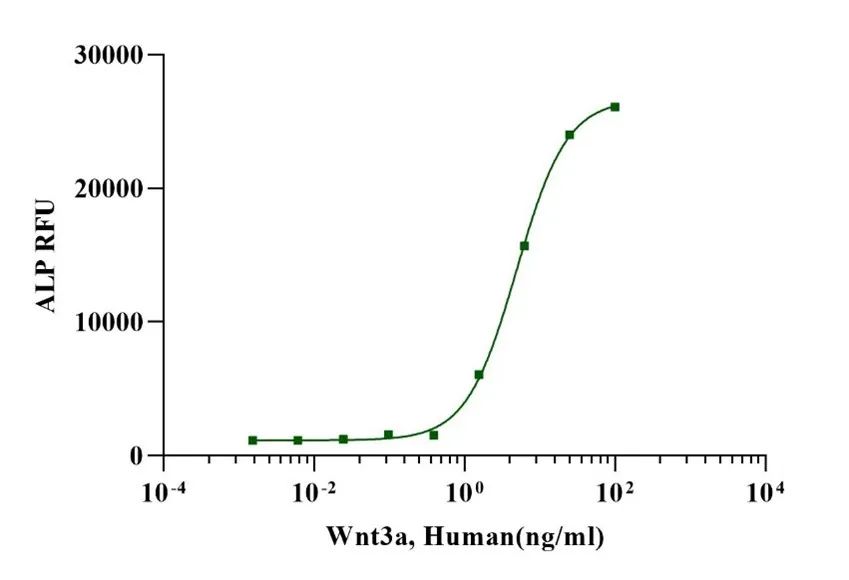
Determined by its ability to induced alkaline phosphatase production by C3H10T1/2 Clone8 cells. The EC50 for this effect is less than 5ng/ml.
R-Spondin 1
The Rspo family includes four members with sequence similarities ranging from 40% to 60% and similar structures. All known Rspo proteins contain four main functional domains: two adjacent furin-like domains (furin-like cysteine-rich domains), a TSP1 (thrombospondin type 1 domain) domain, and a C-terminal region rich in basic amino acids.
As typical secreted proteins, Rspo proteins have an N-terminal signal peptide of 20-25 amino acids. The two adjacent furin-like domains following the signal peptide are critical for the activation of the canonical Wnt signaling pathway by Rspo proteins. Deletion of either furin-like domain abolishes the ability of Rspo proteins to activate the Wnt/β-catenin signaling pathway.
Rspondin-1 plays a significant role in tissue differentiation, organ formation, and disease progression.
Applications of Organoids
Organoids have been successfully generated for various tissues, including small intestine, colon, stomach, prostate, pancreas, and mammary gland.
Catalog Number: UA040022
Name: R-Spondin 1 (21-146) His Tag, Human
Specifications: 10 µg, 50 µg, 1 mg
Purity: >95% by SDS-PAGE
Activity (SPR): 6.73 nM
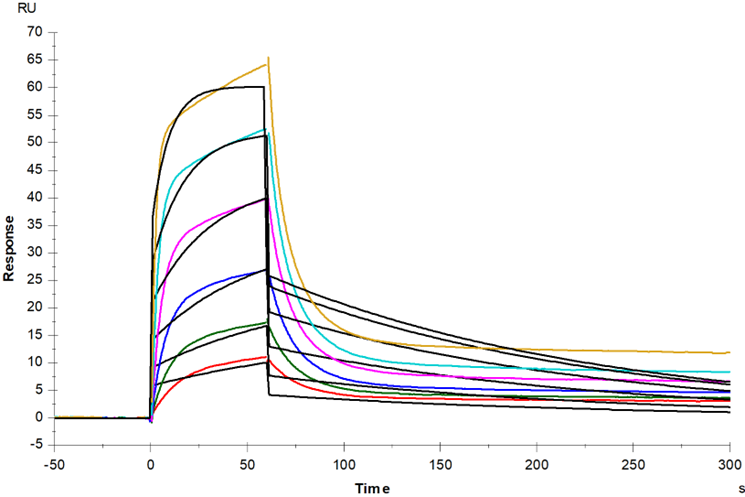
RNF43 mFc Chimera, Mouse (Cat. No. UA010216) captured on Protein A Biosenor, can bind RSPO1(21-146) His Tag, Human (Cat. No. UA040022) with an affinity constant of 6.73nM as determined in SPR assay.
Noggin
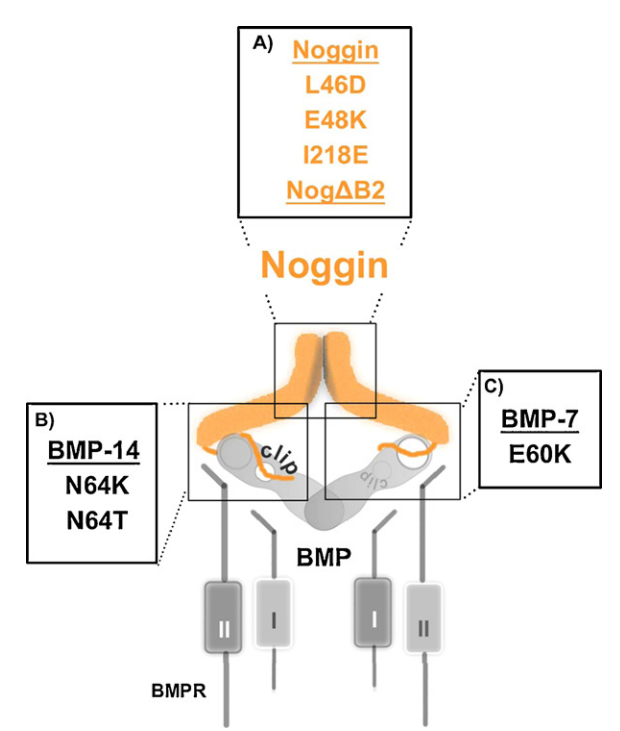
Noggin, encoded by the NOG gene, is a secreted homodimeric glycoprotein. The Noggin protein consists of an acidic N-terminal and a cysteine-rich C-terminal.
Based on cysteine formation, BMP antagonists are divided into three distinct subfamilies: CAN, twisted gastrulation, and Chordin and Noggin. The core region of Noggin extends two pairs of β-sheets through the N-terminal 20 amino acids, forming a clip-like structure. This clip surrounds the BMP ligand and blocks the binding of BMP type I and II receptors on the growth factor surface.
The primary function of Noggin is achieved by antagonizing BMP-4. BMP-4 can dorsalize neural tissue, while high doses of Noggin can block the most dorsal fate. Additionally, Noggin is involved in neural tube development, endogenous neural induction, and the regulation of stem cell neural differentiation.
Organoids have been successfully generated for various tissues, including small intestine, colon, stomach, liver, lung, prostate, pancreas, mammary gland, and brain.
Catalog Number: UA040041
Name: Noggin, Human
Specifications: 10 µg, 50 µg, 100 µg
Purity: >98% by SDS-PAGE & RP-HPLC
Activity: 5.6-12 ng/mL
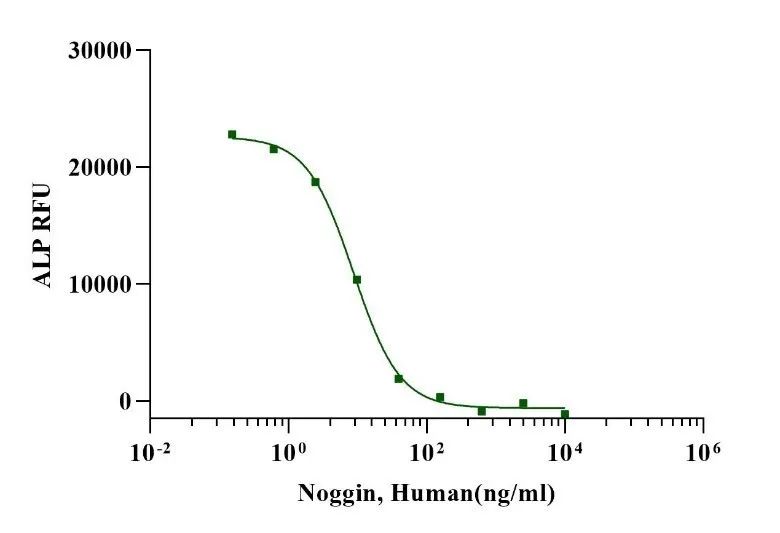
Measured by its ability to inhibit BMP-4-induced alkaline phosphatase production by ATDC5 mouse chondrogenic cells. The EC50 for this effect is 5.6-12 ng/mL in the presence of 40 ng/mL of Recombinant Human BMP‑4.
For more cytokines used in organoid culture, click on the product catalog numbers below to access detailed information on our official website.
This article is reviewed and published by the technical expert team of UA
Disclaimer: This article partially utilizes artificial intelligence assistance in its creation. If any content involves copyright or intellectual property issues, please let us know and we promise to verify and remove it as soon as possible.
Purchase recombinant protein, choose Nanjing UA-Bio
UA protein focuses on providing various protein reagents, raw materials, and services required for drug research and development, cell therapy, gene therapy, and basic scientific research, including drug target proteins, immune checkpoint proteins, cytokines, tool enzymes, customized protein expression, and full-length transmembrane protein development. Youai is committed to providing customers with high-quality products and professional services, and building a High-tech Biological Enterprise with International Competitiveness.







 Business license (three certificates in one)