




ALK4:ActRIIB heterodimer signaling axis, its cooperative inhibition mechanism, and its application in ligand-selective trapping.


ALK4 and ActRIIB are a functionally coupled pair of type I and type II transmembrane serine/threonine kinase receptors within the transforming growth factor-beta (TGF-β) superfamily signaling pathway. ActRIIB, as the type II receptor, features an extracellular domain that binds with high affinity to various ligands, including activin, GDF8 (myostatin), and GDF11, and possesses constitutive kinase activity. In contrast, ALK4, as the type I receptor, is strictly dependent on the type II receptor for its activation. Together, in the presence of ligand, they form a stable heterotetrameric signal transduction complex.
- Recent Advances
- Product Information
I. ALK4 and ActRIIB: A Core Receptor Pair in the TGF-β Superfamily Signaling Pathway
ALK4 and ActRIIB are a functionally coupled pair of Type I and Type II transmembrane serine/threonine kinase receptors within the Transforming Growth Factor-β (TGF-β) superfamily signaling pathway. ActRIIB, as a Type II receptor, binds with high affinity to various ligands such as Activin, GDF8 (Myostatin), and GDF11 via its extracellular domain and possesses constitutive kinase activity. Correspondingly, ALK4, as a Type I receptor, relies strictly on the Type II receptor for its activation. In the presence of ligand, they form a stable heterotetrameric signal transduction complex.
Within this complex, the ligand first binds to ActRIIB, which then recruits and phosphorylates the highly conserved GS domain in the intracellular region of ALK4, relieving its autoinhibited state. The activated ALK4 subsequently specifically phosphorylates downstream signaling mediators SMAD2/3, guiding their formation of a transcriptional complex with SMAD4 and translocation into the nucleus to regulate target gene expression. This signaling axis plays a central regulatory role in embryonic development, muscle metabolic homeostasis, erythropoiesis, and fibrotic processes.
Given that the ALK4:ActRIIB receptor pair mediates the muscle growth-inhibitory signals of key factors like GDF8, this pathway has become a prominent therapeutic target for muscle wasting diseases, metabolic syndrome, and fibrotic disorders. Antagonistic strategies targeting this system, including soluble receptor traps and neutralizing antibodies, have shown significant therapeutic potential in preclinical and clinical research.
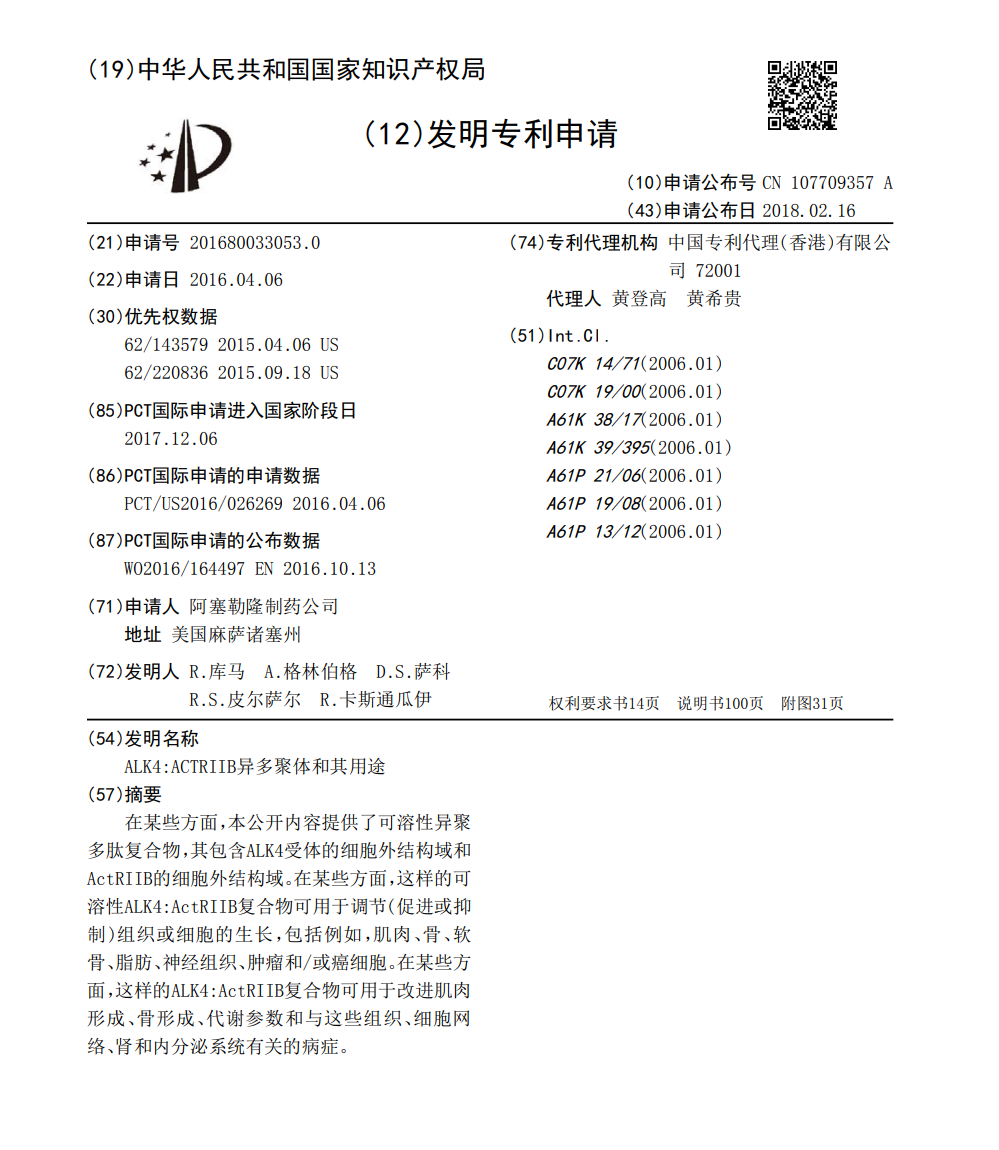
Acelleron Pharmaceuticals has filed a patent concerning ALK4:ACTRIIB heteromultimers and their uses. The patent provides soluble heteromeric polypeptide complexes comprising the extracellular domain of the ALK4 receptor and the extracellular domain of the ActRIIB receptor. In some aspects, such soluble ALK4:ActRIIB complexes can be used to modulate (promote or inhibit) the growth of tissues or cells, including, for example, muscle, bone, cartilage, fat, neural tissue, tumors, and/or cancer cells. In some aspects, such ALK4:ActRIIB complexes can be used to improve muscle formation, bone formation, metabolic parameters, and disorders related to these tissues, cellular networks, kidney, and the endocrine system.
II. Overview of Innovations in ALK4:ACTRIIB Heteromultimers and Their Uses
The core innovation of the patent (CN107709357A) lies in the development of a novel soluble heteromeric complex composed of the extracellular domain of ALK4 (Activin Receptor-Like Kinase 4) and the extracellular domain of ActRIIB (Activin Type II Receptor B). Compared to traditional homodimers (such as ActRIIB-Fc homodimers), the ALK4:ActRIIB heteromultimer exhibits unique ligand-binding selectivity:
-
Enhanced Binding Capacity: High affinity for ligands such as Activin A, Activin B, GDF8, and GDF11.
-
Significantly Weakened Binding Capacity: Markedly reduced binding capacity for BMP9, BMP10, and GDF3, with virtually no binding to BMP9.
-
Selective Signal Inhibition: In cellular models, this heteromultimer effectively inhibits signaling by Activin A/B, GDF8, and GDF11, while its ability to inhibit BMP9/BMP10 signaling is substantially weakened.
This shift in ligand selectivity makes the ALK4:ActRIIB heteromultimer a more targeted antagonist, suitable for therapeutic scenarios requiring precise modulation of specific TGF-β superfamily pathways without affecting others (such as BMP9-mediated angiogenesis).
III. Target Screening and Phenotypic Screening Methods for ALK4:ACTRIIB Heteromultimers and Their Uses
1. Target Screening Strategy
The patent employs a combination of structural biology and functional domain analysis for target screening:
-
Domain Truncation and Functional Validation:
-
Systematic truncation of the extracellular domains of ALK4 and ActRIIB (e.g., amino acids 34–101 of ALK4, amino acids 29–109 of ActRIIB) identified the core regions essential for maintaining ligand-binding capacity.
-
Utilized the cysteine-knot motif to define the ligand-binding pocket and validated key residues through mutational analysis (e.g., L79 in ActRIIB should not be an acidic amino acid).
-
-
Ligand Binding Profile Analysis:
-
Systematically evaluated the binding kinetics of the heteromultimer with various TGF-β ligands (including Activins, GDFs, BMPs) using techniques like Surface Plasmon Resonance (SPR).
-
Discovered that the heteromultimer has stronger affinity for Activin B compared to homodimers, while showing almost no binding to BMP9.
-
2. Phenotypic Screening Methods
The patent employs a multi-level phenotypic screening strategy, including:
-
Cellular Level Screening:
-
Used SMAD reporter gene systems (e.g., in A-204 cell line) to assess the heteromultimer's inhibitory effect on downstream signaling pathways (Smad2/3, Smad1/5/8).
-
Verified its ability to specifically inhibit Activin A/B, GDF8, and GDF11 signaling in cellular models.
-
-
Animal Model Validation:
-
Evaluated the effects of the heteromultimer on muscle, bone, and adipose tissue metabolism in mouse models.
-
Validated its ability to ameliorate renal fibrosis, inflammation, and injury in a Unilateral Ureteral Obstruction (UUO) model.
-
Results indicated that the heteromultimer has efficacy comparable to ActRIIB homodimers in promoting muscle growth, inhibiting fat accumulation, and improving renal function, while potentially avoiding the angiogenic side effects associated with BMP9/BMP10 pathway inhibition.
-
IV. Expanded Analysis of PROTAC and Small Molecule Therapeutic Strategies
Although the patent primarily focuses on protein-based heteromultimers, the target mechanisms of ALK4:ActRIIB it reveals provide an important foundation for developing PROTAC and small molecule therapeutic strategies:
-
PROTAC Strategy:
-
Based on the structural information of the ALK4:ActRIIB complex, bifunctional PROTAC molecules can be designed – one end binding to ALK4 or ActRIIB, the other end recruiting an E3 ubiquitin ligase – to induce target protein degradation.
-
This strategy can be used to enhance targeting selectivity, particularly in pathological contexts where complete clearance of the receptor complex is desired (e.g., fibrosis or cancer).
-
For instance, in diseases with aberrantly activated ALK4:ActRIIB signaling, PROTACs could achieve long-lasting pathway inhibition, potentially overcoming resistance issues associated with traditional antagonists.
-
-
Small Molecule Inhibitor Strategy:
-
Develop small molecule antagonists that specifically bind the extracellular domains of ALK4 or ActRIIB through high-throughput screening or structure-guided design.
-
Small molecules could target the ligand-receptor interaction interface, blocking the binding of ligands like Activin, GDF8/11.
-
Advantages include high oral bioavailability and lower production costs, suitable for long-term treatment of chronic diseases (e.g., muscle atrophy, obesity, diabetes).
-
Leveraging the ligand selectivity mechanisms revealed in this patent, small molecule design could prioritize targeting the heteromeric interface for more precise pathway modulation.
-
V. Summary and Outlook
This patent successfully creates a highly selective and multifunctional tool for regulating TGF-β superfamily signaling by constructing the ALK4:ActRIIB heteromultimer. Its target screening combines structural biology with functional validation, and its phenotypic screening encompasses multi-level cellular and animal models, offering new avenues for treating diseases such as muscle atrophy, obesity, fibrosis, and kidney disease.
Looking forward, developing PROTACs and small molecules based on this target holds promise for further expanding its therapeutic potential, especially in complex diseases requiring high selectivity and long-lasting effects. Concurrently, this heteromultimer platform could be integrated with biologics like antibodies and fusion proteins to build more complex multispecific drug systems, enabling more precise disease modulation.
How to Solve the Challenge of ActRIIB and ActRIIA Enzyme Activity Inhibitor Screening Kits?
Leveraging its extensive expertise in TGF-β signaling pathway research, UA BIOSCIENCE has precisely launched a series of research tools that are highly synergistic with the core target of patent CN107709357A.
This patent revealed the unique advantages of the ALK4:ActRIIB heterodimer as a selective ligand trap, whose efficacy depends on the precise regulation of ActRIIB and ALK4 receptor activities. To this end, the ActRIIB and ActRIIA Enzyme Activity Inhibitor Screening Kits developed by UA BIOSCIENCE provide researchers with key tools for functional validation, enabling efficient screening and evaluation of candidate compounds specifically targeting the Type II receptors. Simultaneously, the high-purity ALK4 Target Protein offered by Nanjing UA BIOSCIENCE lays a solid material foundation for studying the structural biology of the Type I receptor, binding kinetics, and developing novel ALK4-targeting drugs. This product line is closely integrated with the mechanisms revealed in the patent, collectively forming a complete research solution from target validation to inhibitor discovery, which will significantly advance the development of novel therapies for muscle atrophy, fibrosis, and metabolic diseases.
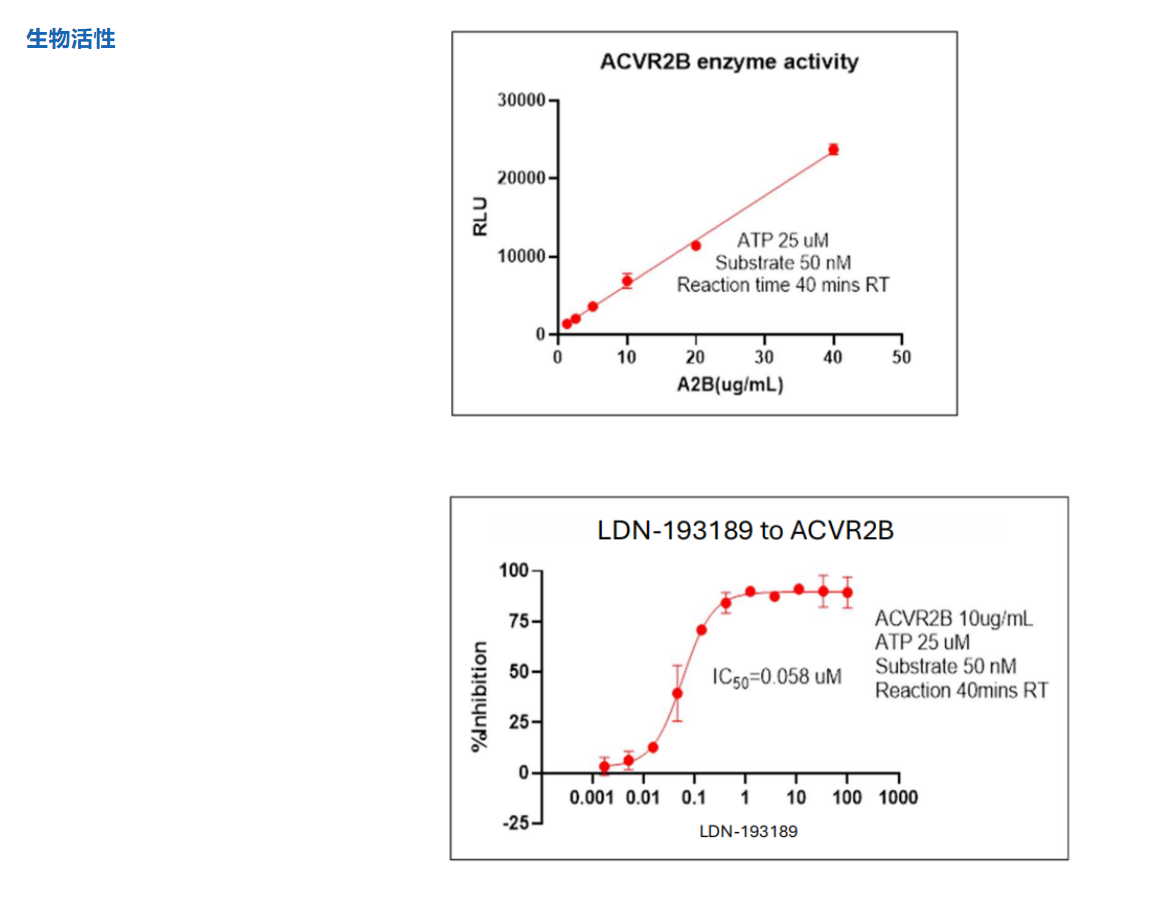
ActRIIB Enzyme Activity Inhibitor Screening Kit_UA080464_优爱(UA BIOSCIENCE)官网
ActRIIB Enzyme Activity Inhibitor Screening Kit_UA080464_ UA BIOSCIENCE Official Website
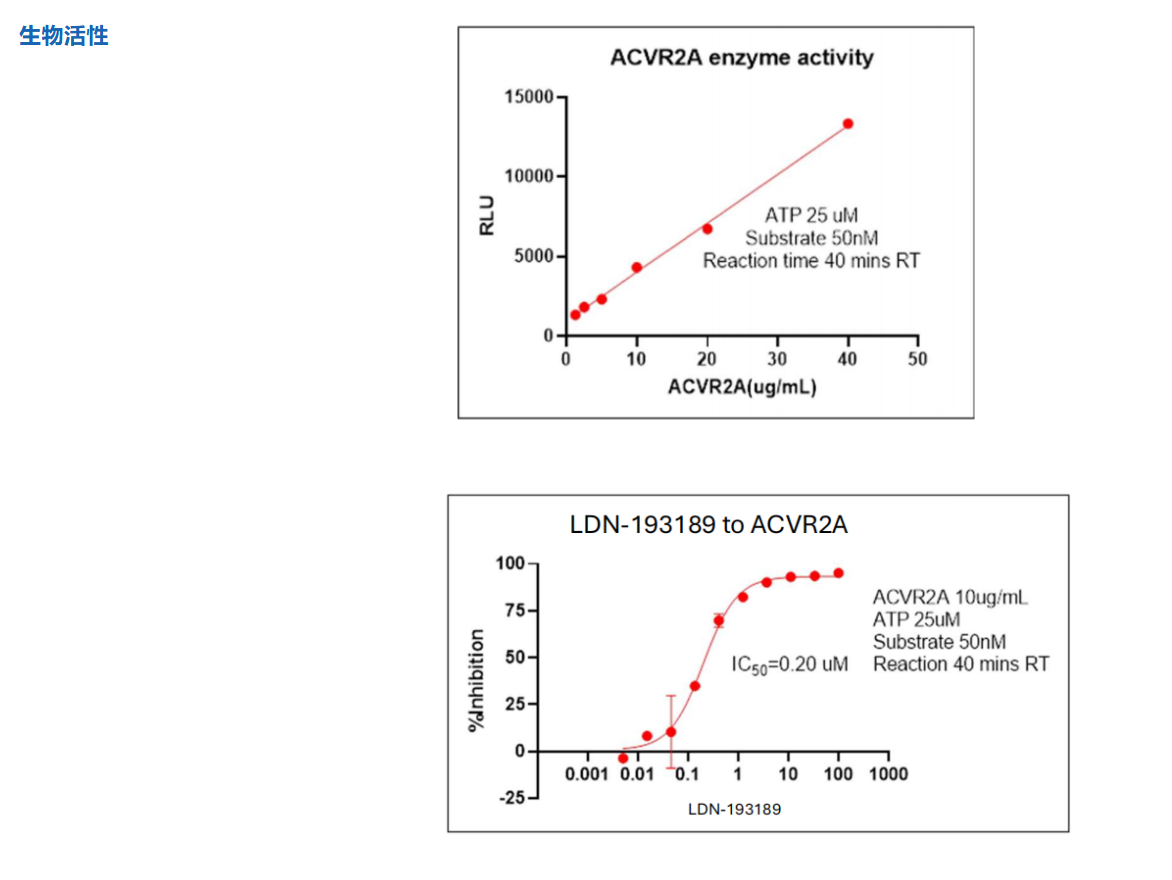 ActRIIA 酶活性抑制剂筛选 Kit_UA080465_优爱(UA BIOSCIENCE)官网
ActRIIA Enzyme Activity Inhibitor Screening Kit_UA080465_ UA BIOSCIENCE Official Website
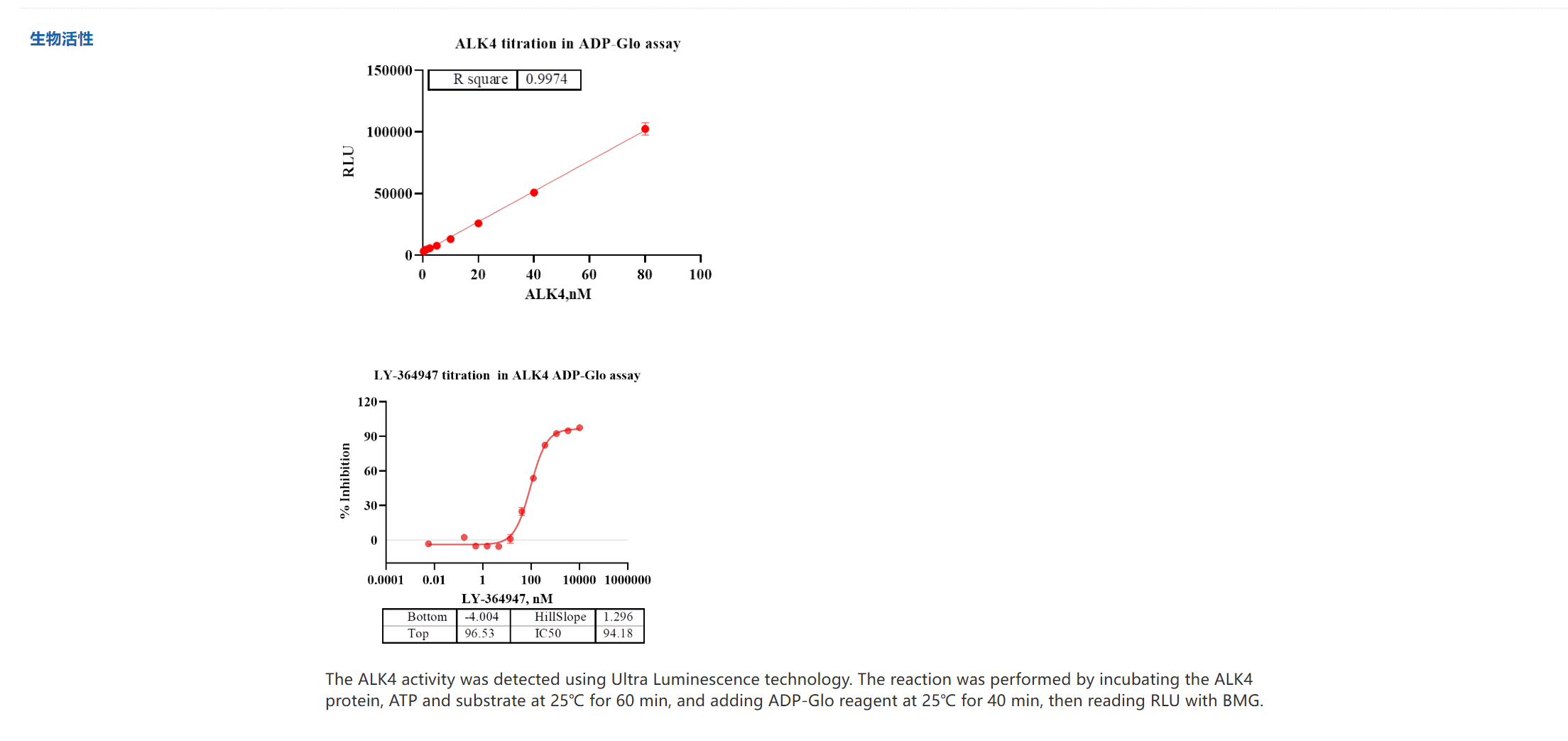 ALK4 Protein_UA080038_优爱(UA BIOSCIENCE)官网
ALK4 Protein_UA080038_ UA BIOSCIENCE Official Website
This article is reviewed and published by the technical expert team of UA
Disclaimer: This article partially utilizes artificial intelligence assistance in its creation. If any content involves copyright or intellectual property issues, please let us know and we promise to verify and remove it as soon as possible.
Purchase recombinant protein, choose Nanjing UA-Bio
UA protein focuses on providing various protein reagents, raw materials, and services required for drug research and development, cell therapy, gene therapy, and basic scientific research, including drug target proteins, immune checkpoint proteins, cytokines, tool enzymes, customized protein expression, and full-length transmembrane protein development. Youai is committed to providing customers with high-quality products and professional services, and building a High-tech Biological Enterprise with International Competitiveness.







 Business license (three certificates in one)