




A Comprehensive Collection of CAR-T Target Proteins and Antibodies - Part 1


CAR-T (Chimeric Antigen Receptor T-cell) therapy, in brief, involves the in vitro modification of T cells derived from cancer patients or allogeneic sources. These T cells are engineered to express a CAR structure, enabling them to recognize target cell antigens. Upon activation, they recruit other immune cells to eliminate tumors, thereby achieving the goal of treating cancer and other diseases.
- Recent Advances
- Product Information
- Reference
CAR-T (Chimeric Antigen Receptor T-cell) Therapy
In brief, CAR-T therapy involves the in vitro modification of T cells derived from cancer patients or allogeneic sources. These T cells are engineered to express a CAR structure, enabling them to recognize target cell antigens. Upon activation, they recruit other immune cells to eliminate tumors, thereby achieving the goal of treating cancer and other diseases.
According to literature and other sources, the current hot targets for CAR-T research in the domestic market include: CD19, GPC3, MSLN, HER2, MUC1, CD22 (Siglec 2), CD23 (Fc epsilon RII), ROR1, CD4, CD30, GRP78, BCMA, and others.
CD19
Based on literature, the targets used in hematologic malignancies and CAR-T cell experiments are summarized as follows:
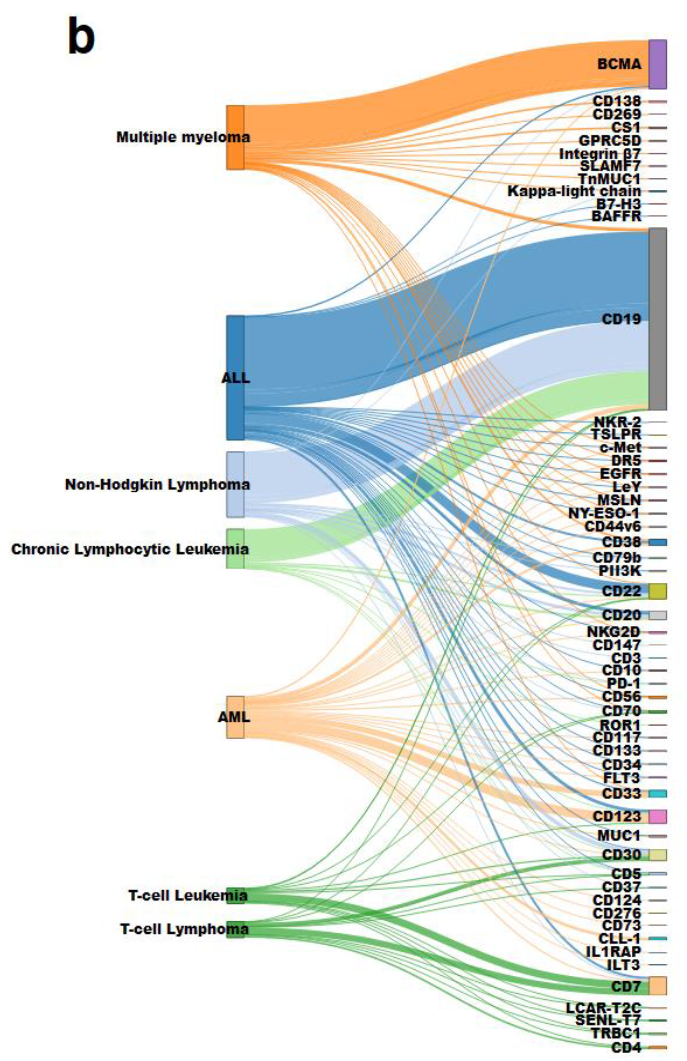
From the above figure, it is evident that CD19 is a critical focus in hematologic malignancy research.
The CD19 gene is located on the short arm of chromosome 16 (16p11.2) and encodes a 556-amino acid type I transmembrane protein with a molecular weight of 95 kDa.
CD19 is a type I transmembrane protein belonging to the immunoglobulin (Ig) superfamily and is exclusively expressed in B cells. CD19 regulates B cell development through both B cell receptor-dependent and independent mechanisms.
CD19 is expressed in B cell malignancies, encompassing all subtypes of B cell lymphoma, as well as B cell chronic lymphocytic leukemia and non-T cell acute lymphoblastic leukemia.
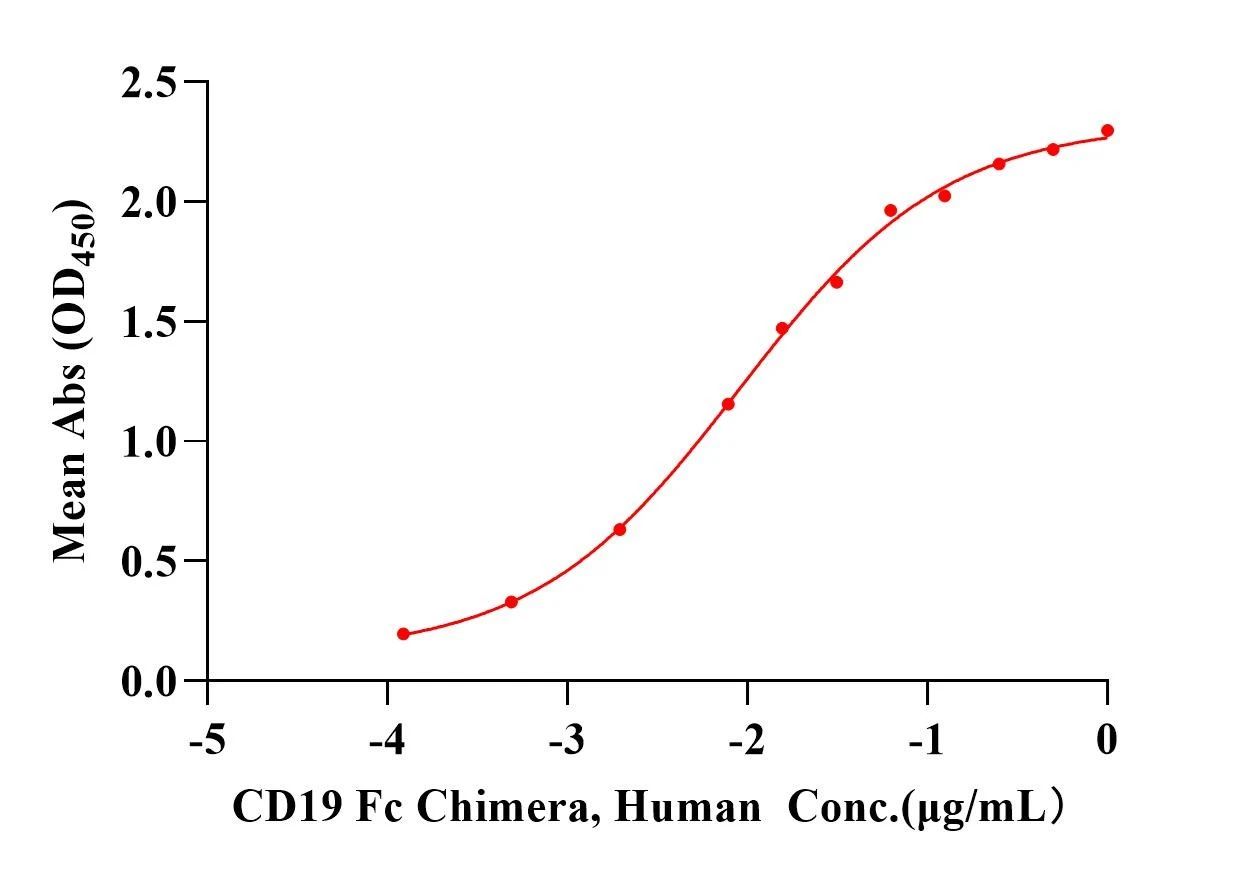
Immobilized Anti-CD19 Antibody, Mouse Monoclonal at 0.5μg/mL (100μL/well) can bind CD19 Fc Chimera, Human (Cat. No. UA010042) with EC50 of 9.05ng/ml.
GPC3
GPC3 is a 65 kDa protein composed of 580 amino acids, anchored to the cell membrane via glycosylphosphatidylinositol (GPI).
It regulates proliferative signaling in cells by binding to Wnt, fibroblast growth factors (FGFs), and insulin-like growth factors (IGFs).
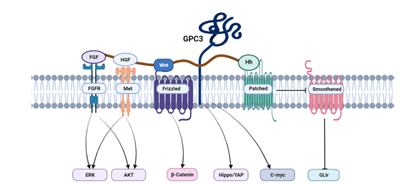
GPC3 is expressed in healthy fetal kidneys and liver, as well as in adult placental tissue, but is nearly absent in other tissues. However, it is specifically expressed in cancers such as hepatocellular carcinoma, ovarian clear cell carcinoma, melanoma, hepatoblastoma, and Wilms' tumor.
On April 17, 2023, Shanghai-based CBMG presented early Phase I clinical data for its GPC3-CAR-T product in advanced hepatocellular carcinoma at the AACR meeting, demonstrating promising anti-tumor activity.
Domestic clinical trials targeting GPC3 in CAR-T therapy (solid tumors) include:

MSLN (Mesothelin)
MSLN, also known as mesothelin, is encoded by the MSLN gene located on chromosome 16p13.3. The gene spans 8 kb and contains 8 exons encoding 628 amino acids. The MSLN gene encodes a 71 kDa precursor protein, which is proteolytically cleaved into two fragments: (1) Mesothelin (MSLN), a 40 kDa protein anchored to the cell membrane via GPI, and (2) Megakaryocyte Potentiating Factor (MPF), a 31 kDa fragment that can be released into the bloodstream or further degraded.
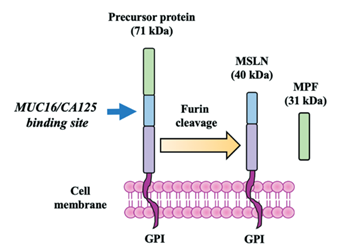
MSLN is highly expressed in various human cancers, including malignant mesothelioma, pancreatic cancer, ovarian cancer, and lung adenocarcinoma. In healthy tissues, MSLN expression is restricted to mesothelial cells and is absent in vital organs.
Clinical trials targeting MSLN include:

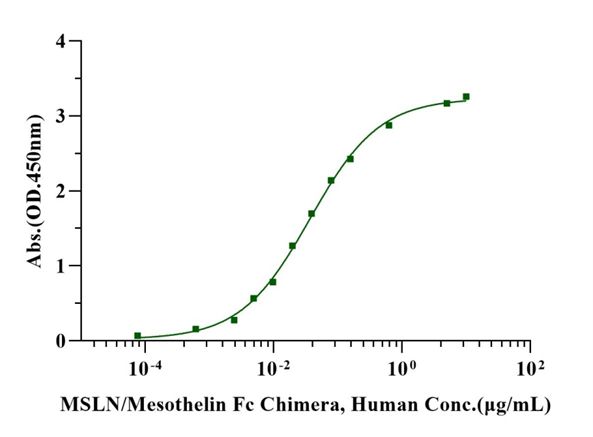
Immobilized CA125/MUC16 His Tag, Human (Cat. No. UA010258) at 2.0μg/mL (100μL/well) can bind MSLN/Mesothelin Fc Chimera, Human (Cat. No. UA010184) with EC50 of 0.031-0.043μg/ml.
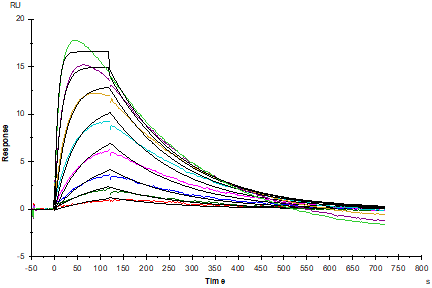
Anti-His antibody Immobilized on CM5 Chip captured CA125/MUC16 His Tag, Human (Cat. No. UA010258), can bind MSLN/Mesothelin Fc Chimera, Human (Cat. No. UA010184) with an affinity constant of 0.11μM as determined in SPR assay.
Click on the product catalog numbers below to access detailed information on our official website.
This article is reviewed and published by the technical expert team of UA
Disclaimer: This article partially utilizes artificial intelligence assistance in its creation. If any content involves copyright or intellectual property issues, please let us know and we promise to verify and remove it as soon as possible.
Purchase recombinant protein, choose Nanjing UA-Bio
UA protein focuses on providing various protein reagents, raw materials, and services required for drug research and development, cell therapy, gene therapy, and basic scientific research, including drug target proteins, immune checkpoint proteins, cytokines, tool enzymes, customized protein expression, and full-length transmembrane protein development. Youai is committed to providing customers with high-quality products and professional services, and building a High-tech Biological Enterprise with International Competitiveness.

1.Mesothelin-targeted CAR-T cell therapy for solid tumors
2.Glypican-3: A Novel and Promising Target for the Treatment of Hepatocellular Carcinoma.
3.Systematic Review of Available CAR-T Cell Trials around the World.






 Business license (three certificates in one)