




Unveiling the Kinase Series: What Are the Hot Research Targets?


Kinases are a class of phosphotransferases that facilitate the transfer of phosphate groups from ATP (adenosine triphosphate) to protein molecules. They catalyze the transfer of the γ-phosphate of ATP to specific residues on proteins, including the hydroxyl groups of serine (Ser) and threonine (Thr), the phenolic hydroxyl group of tyrosine (Tyr), the ε-amino group of lysine (Lys), the imidazole group of histidine (His), and the guanidinium group of arginine (Arg).
- Recent Advances
- Product Information
- Reference
Approved Small Molecule Drugs
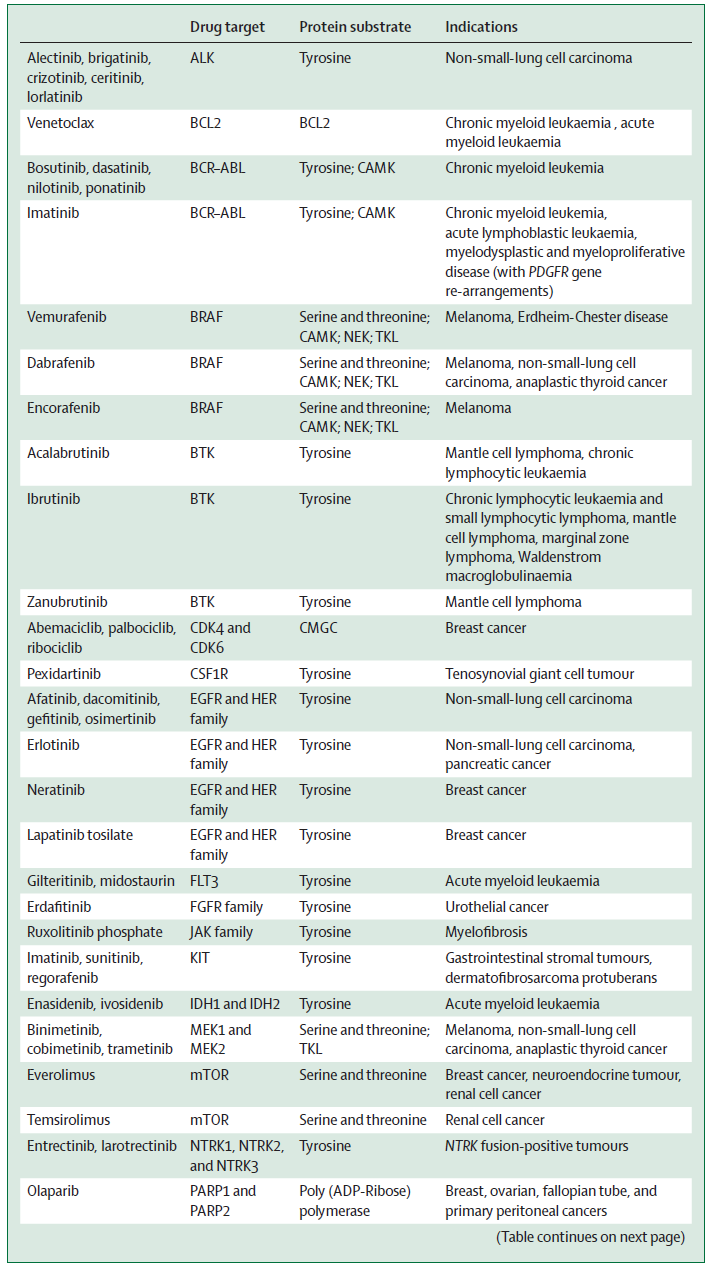

Figure 1: Preview of Some Approved Small Molecule Drugs
Chemotherapy for cancer involves the use of drugs to kill tumor cells. Currently, the focus of new cancer drug development is on identifying targets responsible for tumor formation.
The two main directions in cancer therapy include small molecules and antibody-based drugs. Antibodies are characterized by high specificity, but their targets are generally limited to cell surface proteins and require intravenous or subcutaneous administration. In contrast, small molecule inhibitors offer diverse options due to their ability to bind both extracellular and intracellular targets.
To date, over 43 small molecule drugs have been approved globally, some of which are shown above. As illustrated, kinase-targeting drugs include inhibitors of ALK, BTK, EGFR, HER2 family, CDK4/CDK6, JAK family, MEK, and others. Notably, BTK inhibitors are among the top 10 best-selling small molecule drugs globally in 2022.

Figure 2: Classification of Approved Small Molecule Drug Targets
What Are Kinases, and Why Are They Relevant to Cancer Therapy? What Are the Current Hot Research Targets?
Kinases are a class of phosphotransferases that facilitate the transfer of phosphate groups from ATP (adenosine triphosphate) to protein molecules. They catalyze the transfer of the γ-phosphate of ATP to specific residues on proteins, including the hydroxyl groups of serine (Ser) and threonine (Thr), the phenolic hydroxyl group of tyrosine (Tyr), the ε-amino group of lysine (Lys), the imidazole group of histidine (His), and the guanidinium group of arginine (Arg).
Kinase-mediated phosphorylation is a common post-translational modification. The human proteome contains approximately 500,000 potential phosphorylation sites, with 25,000 phosphorylation events occurring across 7,000 proteins.
Eukaryotic protein kinases are classified into several families, including AGC, CaMK, CMGC, TPK, and others. Specific examples include PKA, PKG, PKC, G protein-coupled receptors, CaMKⅠ, CaMKⅡ, CDK, MAPK, Src, Brk, Cak, Jak, EGFR, VEGFR, MEK, and MEKK.
Kinase-mediated signaling pathways are involved in cell metabolism, growth, differentiation, proliferation, and the development and progression of cancer.
CDK Family
Dysregulation of the cell cycle is a hallmark of human cancer. Tumor cells often exhibit abnormal proliferation, genomic instability, and chromosomal instability, making cancer a disease of the cell cycle.
The mammalian cell cycle is regulated by a subfamily of cyclin-dependent kinases (CDKs). CDK activity is modulated by cyclins and inhibitors such as INK4, Cip, and Kip.
Based on their specific functions, CDKs are divided into two categories: those regulating the cell cycle (e.g., CDK1, CDK2, CDK4, CDK6, CDK7) and those regulating transcription (e.g., CDK7, CDK8, CDK9, CDK11, CDK12, CDK13).
CDK12 is a Ser/Thr protein kinase encoded by a gene located on chromosome 17. The protein consists of 1,490 amino acids with a molecular weight of 164 kDa. CDK12 features a common kinase bilobal fold with extended sequences at the N- and C-termini.
During transcriptional elongation, CDK12 phosphorylates the C-terminal domain (CTD) of RNA polymerase II, promoting transcriptional elongation. CDK12 interacts with RNA processing factors to regulate splicing and mediates RNA polymerase II phosphorylation and mRNA 3' end processing, influencing intronic polyadenylation.
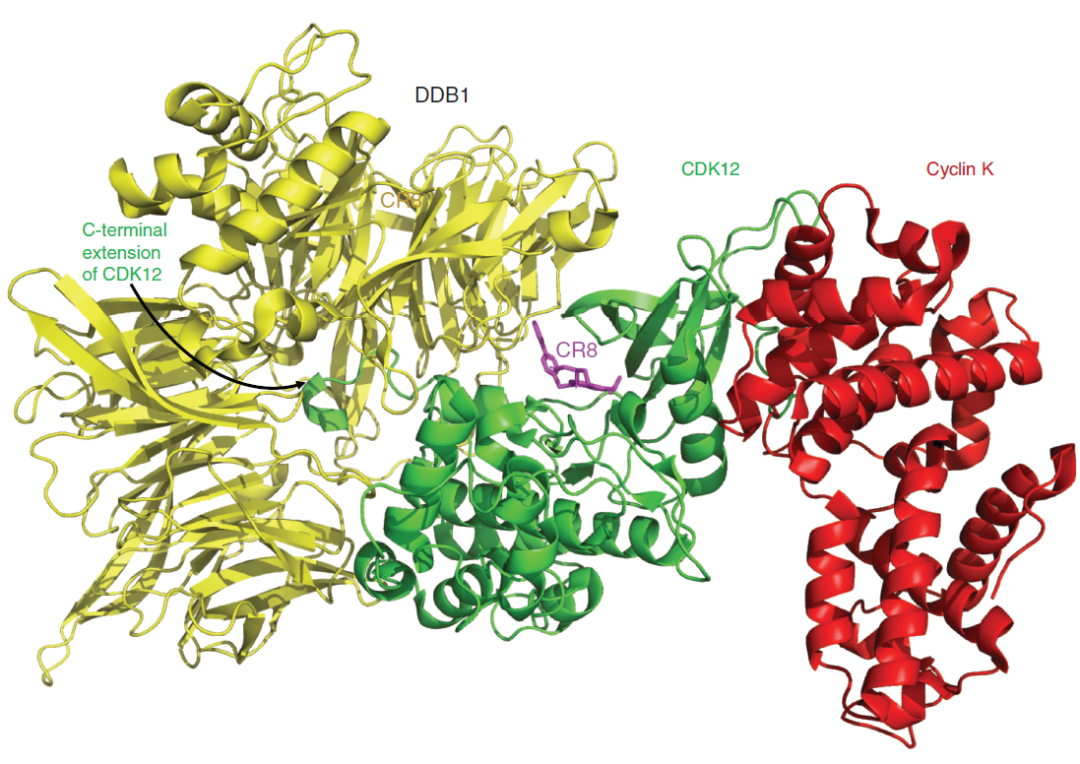
Figure 3: Interaction of Pan-CDK Inhibitor R-CR8 with the CDK12-Cyclin K Complex
Functional impairment of CDK12 leads to defective expression of DNA damage repair genes, genomic instability, and tumorigenesis. Mutations in CDK12 are found in esophageal cancer, endometrial cancer, and bladder cancer, with mutation frequencies ranging from 10% to 15%.
Current small molecule CDK12 inhibitors under investigation include THZ531, SR-4853, MFH290, BSJ-4-116, Dinaciclib, CDK12-IN-3, and E9.
CK1 Family
Casein kinase 1 (CK1) is a family of serine/threonine kinases. In humans, CK1 has seven isoforms: α, γ1, γ2, γ3, δ, ε, and α-like. Among these, CK1α, CK1δ, and CK1ε are the most extensively studied. All CK1 kinases share high homology (53-98%) in their kinase domains but have distinct C-terminal and N-terminal regions.
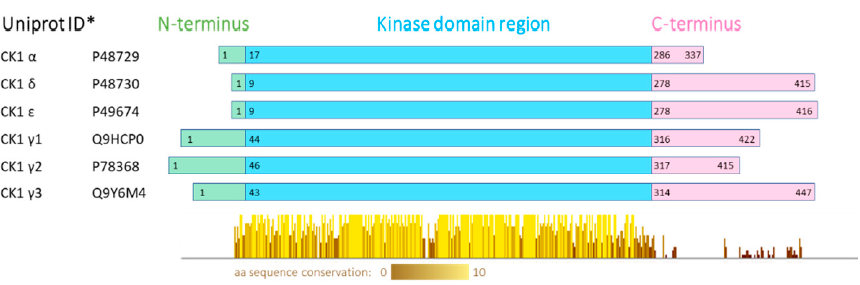
Figure 4: Structural Schematic of Different CK1 Isoforms
The CK1 family is involved in various signaling pathways, including mitotic checkpoint signaling, DNA repair, apoptosis, p53 pathways, protein translation, circadian rhythms, endocytosis, autophagy, immune responses, inflammation, centrosome-related processes, and developmental pathways such as Wnt, Hedgehog, NF-κB, and Yap/Taz signaling.
Dysregulation of CK1 family proteins is associated with various diseases, including tumorigenesis, metastasis, and neurodegenerative disorders.
Research on CK1 inhibitors spans preclinical studies for neurodegenerative diseases, obesity, behavioral disorders, alcohol or opioid addiction, and cancer.
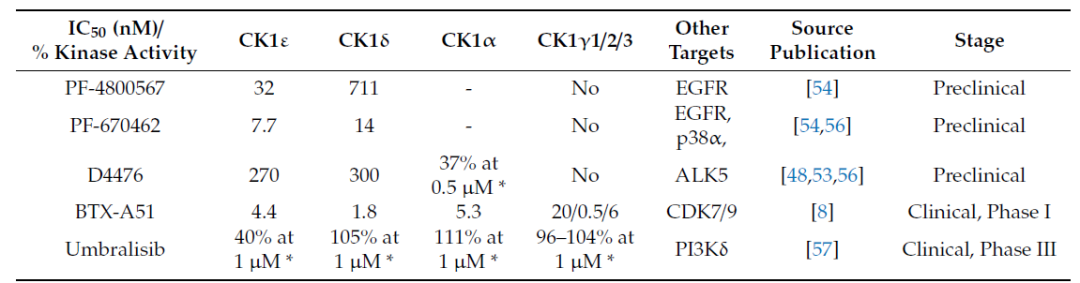
Figure 5: Examples of CK1 Inhibitors Under Investigation
JAK Family
Janus kinases (JAKs) belong to the family of cellular tyrosine kinases and include four members in vertebrates: JAK1, JAK2, JAK3, and TYK2.
JAK1 primarily associates with cytokine receptors.
JAK2 mediates signal transduction from extracellular ligands to receptors.
JAK3 functions similarly to JAK1 but is mainly expressed in hematopoietic cells, whereas JAK1 is widely expressed in most cells.
TYK2 is involved in the regulation of type I interferons (IFN-α/β) and interleukin-12 (IL-12) in lymphocytes.
Currently, five first-generation and six second-generation JAK inhibitors have been approved globally.
First-generation inhibitors include ruxolitinib, tofacitinib, baricitinib, decernotinib, and peficitinib. Ruxolitinib and baricitinib are JAK1/2 inhibitors. Ruxolitinib was approved in 2011 for myelofibrosis and later for polycythemia vera and graft-versus-host disease. Baricitinib was approved in 2017 for rheumatoid arthritis (RA) and in 2020 for atopic dermatitis.
Second-generation inhibitors include fedratinib, momelotinib, filgotinib, abrocitinib, pacritinib, and deucravacitinib. Fedratinib is a highly specific JAK2 inhibitor, while upadacitinib is a selective JAK1 inhibitor.
Deucravacitinib is a selective TYK2 inhibitor that employs a unique "allosteric inhibition" mechanism to target TYK2, thereby inhibiting IL-23, IL-12, and type I interferon signaling. It was previously approved in the US and EU and is the first oral treatment for moderate-to-severe plaque psoriasis approved in nearly a decade (approved in China in late October 2023).
In addition to the above hot kinase targets, UA BIOSCIENCE offers a wide range of kinase series, including PTK, ALK, BTK, Lck, EGFR, FGFR, and more. Click here to explore further.
Click on the product catalog numbers below to access detailed information on our official website.
This article is reviewed and published by the technical expert team of UA
Disclaimer: This article partially utilizes artificial intelligence assistance in its creation. If any content involves copyright or intellectual property issues, please let us know and we promise to verify and remove it as soon as possible.
Purchase recombinant protein, choose Nanjing UA-Bio
UA protein focuses on providing various protein reagents, raw materials, and services required for drug research and development, cell therapy, gene therapy, and basic scientific research, including drug target proteins, immune checkpoint proteins, cytokines, tool enzymes, customized protein expression, and full-length transmembrane protein development. Youai is committed to providing customers with high-quality products and professional services, and building a High-tech Biological Enterprise with International Competitiveness.

1.The promise and current status of CDK12/13 inhibition for the treatment of cancer
2.Targeting Casein Kinase 1 (CK1) in Hematological Cancers
3.Small molecules, big impact: 20 years of targeted therapy in oncology






 Business license (three certificates in one)