




Research Progress on Recombinant Flt-3L Protein in Immunomodulation and Disease Therapy


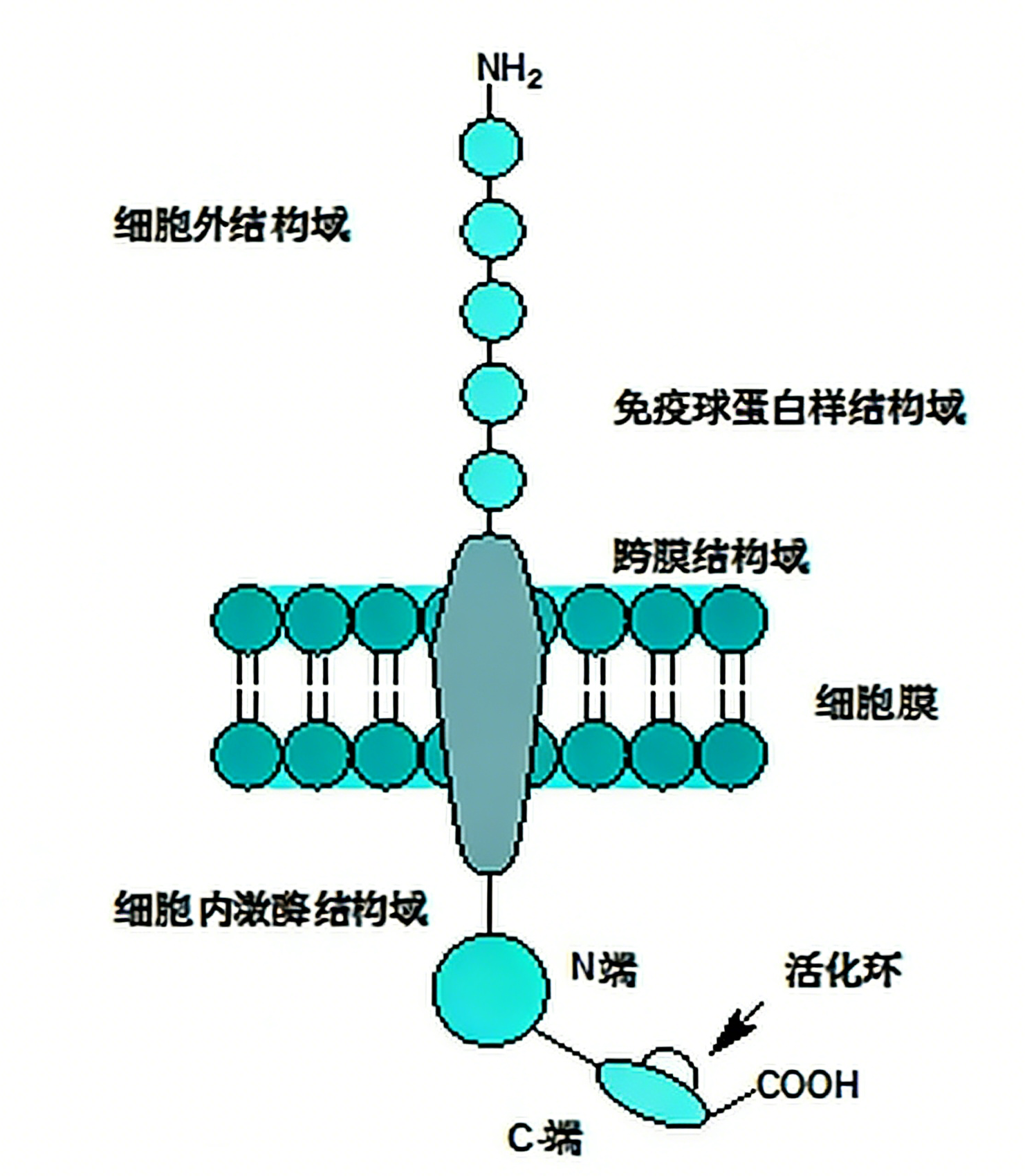
FMS-like tyrosine kinase 3 ligand (Flt-3L) is a crucial hematopoietic cytokine, belonging to type I transmembrane proteins, and its soluble form is generated through proteolytic cleavage.
- Recent Advances
- Product Information
I. Biological Characteristics and Functional Overview of Flt-3L
FMS-like tyrosine kinase 3 ligand (Flt-3L) is a crucial hematopoietic cytokine belonging to type I transmembrane proteins, with its soluble form generated through proteolytic cleavage. Flt-3L specifically binds to the Flt-3 receptor expressed on hematopoietic stem cells, dendritic cell precursors, and certain lymphocytes, activating downstream signaling pathways such as JAK-STAT and PI3K-AKT, thereby playing a central regulatory role in the development and homeostasis maintenance of the immune system. Its primary physiological functions include: promoting the proliferation and differentiation of hematopoietic stem and progenitor cells; driving the development, expansion, and survival of conventional dendritic cells (cDCs) and plasmacytoid dendritic cells (pDCs); and participating in regulating the generation and function of lymphocytes such as natural killer cells and B cells. Thus, Flt-3L is a key molecule connecting innate and adaptive immunity and regulating immune system regeneration.
II. The Value of Recombinant Flt-3L Protein as a Research Tool
High-purity, high-activity recombinant Flt-3L protein is a core tool for exploring its biological functions and developing related therapies. In basic immunology research, this protein is primarily used for:
1. In vitro expansion of immune cells: Adding recombinant Flt-3L to cell culture systems can effectively expand mouse or human dendritic cell precursors, providing ample cell sources for studying dendritic cell biology, antigen presentation, and T cell activation mechanisms.
2. Signaling pathway and functional studies: Used to stimulate Flt-3 receptor-expressing cell lines or primary cells to study downstream signal transduction mechanisms and analyze their effects on cell proliferation, differentiation, survival, and cytokine secretion.
3. Animal model construction: Systemic or local injection of recombinant Flt-3L can expand specific immune cell populations such as dendritic cells in vivo, creating immunologically enhanced models for studying immune responses, tumor immunity, or infection immunity.
III. Exploration of Recombinant Flt-3L Protein in Disease Treatment
Based on Flt-3L's potent immunostimulatory capabilities, it shows promise in therapeutic strategies for various diseases, particularly in tumor immunotherapy and vaccine adjuvants for infectious diseases.
1. Tumor immunotherapy:
- In vivo expansion of dendritic cell vaccines: Injecting Flt-3L-encoding genes (e.g., via adenoviral vectors) into tumor sites or systemically, or directly using recombinant Flt-3L protein, can significantly increase dendritic cell numbers in the tumor microenvironment and draining lymph nodes. These newly recruited dendritic cells more effectively capture tumor antigens, migrate to lymph nodes, and activate tumor-specific T cells, thereby enhancing anti-tumor immune responses. This strategy is often combined with tumor antigen vaccines, radiotherapy, chemotherapy, or immune checkpoint inhibitors for synergistic effects.
- In vitro pre-activation for adoptive cell therapy: In preparing CAR-T cells or tumor-infiltrating lymphocytes (TILs) for adoptive cell therapy, using Flt-3L to expand and activate dendritic cells in vitro can optimize antigen presentation steps and improve T cell activation and expansion efficiency.
2. As a vaccine adjuvant: Flt-3L can significantly enhance vaccine efficacy against pathogens (e.g., viruses, bacteria) or tumor antigens. By increasing the number and function of antigen-presenting cells, Flt-3L promotes stronger antigen-specific T and B cell responses, improving vaccine protection or therapeutic efficacy. This has been validated in studies on influenza, HIV, and therapeutic cancer vaccines.
3. Hematopoietic reconstitution: In bone marrow suppression (e.g., post-chemotherapy) or immunodeficient states, Flt-3L can promote hematopoietic system recovery, accelerating the regeneration of immune cells such as neutrophils and dendritic cells, aiding infection resistance and immune balance restoration.
IV. Future Prospects and Challenges
Although recombinant Flt-3L protein shows broad potential in preclinical studies, its clinical application faces challenges and optimization needs:
- Administration strategies and safety: Optimization of delivery routes (local vs. systemic), dosage, and treatment duration is needed to maximize immune activation while controlling potential side effects, such as cytokine release syndrome or excessive autoimmune activation.
- Combination therapy strategies: How to more effectively integrate Flt-3L-mediated immune cell expansion with existing therapies like immune checkpoint inhibitors, oncolytic viruses, and personalized neoantigen vaccines is a key future research direction.
- Biomarkers and patient stratification: Biomarkers predicting patient responses to Flt-3L therapy need exploration to enable precise personalized treatment.
V. Summary
Recombinant Flt-3L protein, as a powerful immunomodulator and efficient research tool, holds irreplaceable value in elucidating immune system development and function and developing novel immunotherapies. Its ability to expand dendritic cells in vivo, enhance vaccine efficacy, and promote hematopoietic reconstitution provides innovative strategies for treating tumors, infectious diseases, and immunodeficiencies. With deeper understanding of Flt-3L's biological properties and its role in complex immune networks, along with continuous optimization of delivery techniques and combination regimens, Flt-3L-based immunotherapies are expected to bring clinical benefits to more patients in the future.
VI. Which Manufacturers Provide InVivo Recombinant Flt-3L Protein?
Nanjing YouAi Protein's independently developed InVivo Recombinant Flt-3L Protein, Mouse (Catalog No.: UA040505) is a high-purity, high-activity, low-endotoxin mouse-derived Fms-like tyrosine kinase 3 ligand (Flt-3L) recombinant protein specifically designed and produced for in vivo experiments. This product strictly adheres to in vivo application-grade standards and is suitable for studying dendritic cell and immune cell generation, expansion, and immunomodulation in animal models.
| Core Product Advantages |
|---|
| In vivo application-grade purity and ultra-low endotoxin: Expressed in mammalian systems and processed with special purification techniques to ensure extremely high purity (>95%) and very low endotoxin levels (typically <1.0 EU/μg), minimizing non-specific immune responses caused by endotoxins and ensuring accurate and reliable animal experimental results. |
| Exceptional bioactivity: Validated by in vitro cell proliferation assays (e.g., Flt-3L-dependent cell lines), the product exhibits high specific activity, effectively promoting dendritic cell precursor proliferation and differentiation, ensuring expected biological functions in vivo. |
| Stringent in vivo quality control: The entire production process is conducted in compliant clean environments, with rigorous sterility, mycoplasma, and endotoxin testing, ensuring safe direct use for in vivo injection experiments in mouse models. |
| Excellent stability and batch consistency: Standardized production processes and strict quality control systems ensure consistent purity, activity, and low endotoxin levels across batches, providing reliable support for long-term, continuous in vivo research projects. |
| Clear application directions: Designed specifically for in vivo research, suitable for promoting dendritic cell generation and expansion in mice, enhancing immune responses, tumor immunotherapy studies, and hematopoietic stem cell mobilization experiments. |
Nanjing YouAi Protein is committed to providing high-quality in vivo-grade recombinant protein tools for immunology, tumor immunotherapy, and animal model research. For detailed technical parameters, in vivo usage recommendations, or specific experimental protocol consultations regarding InVivo Recombinant Flt-3L Protein, Mouse (Catalog No.: UA040505), please feel free to contact us.
This article is reviewed and published by the technical expert team of UA
Disclaimer: This article partially utilizes artificial intelligence assistance in its creation. If any content involves copyright or intellectual property issues, please let us know and we promise to verify and remove it as soon as possible.
Purchase recombinant protein, choose Nanjing UA-Bio
UA protein focuses on providing various protein reagents, raw materials, and services required for drug research and development, cell therapy, gene therapy, and basic scientific research, including drug target proteins, immune checkpoint proteins, cytokines, tool enzymes, customized protein expression, and full-length transmembrane protein development. Youai is committed to providing customers with high-quality products and professional services, and building a High-tech Biological Enterprise with International Competitiveness.







 Business license (three certificates in one)